Abraka Metro
Lost In Translation: How Non-Urhobo Students navigate Life In Abraka

By Favour Efenure
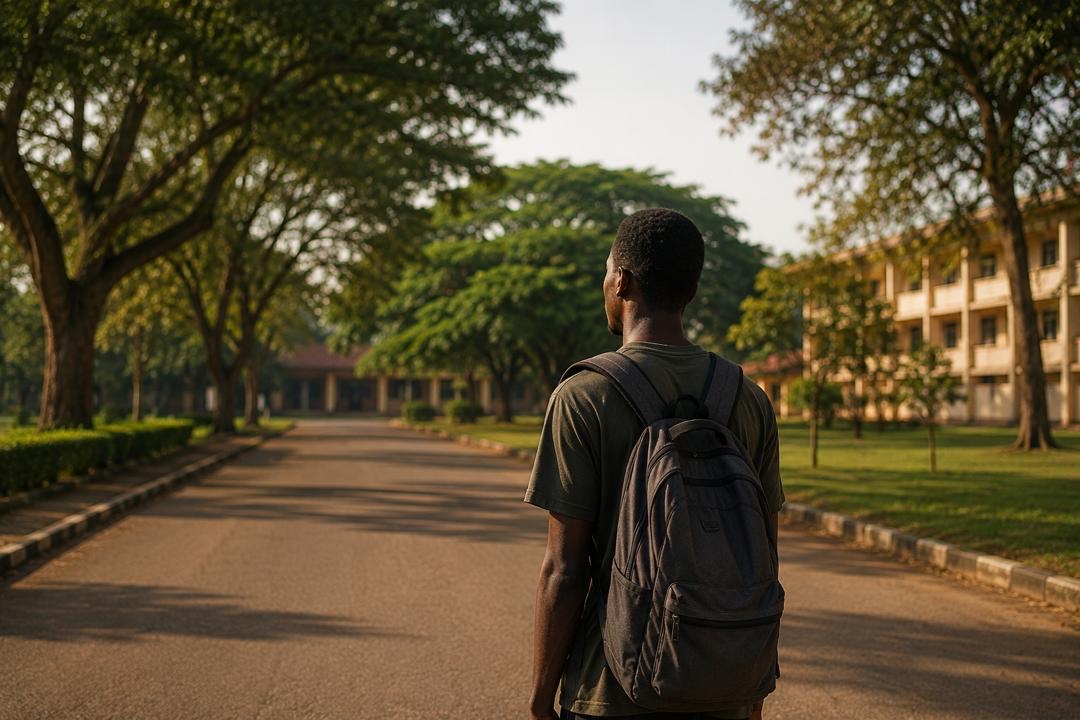
Moving to a new place is not always easy, especially when the language and culture are different from what you are used to. Every year, Delta State University, Abraka, welcomes students from different parts of Nigeria. While many arrive excited to begin a new chapter of their lives, some non-Urhobo students soon realise that adjusting to a new place comes with its own challenges.
Although English is widely spoken within the university, some students still struggle to communicate with local residents who mostly speak Urhobo. Others also need time to understand the culture and way of life in the community. However, with time, many of them begin to adjust by making friends, learning a few Urhobo greetings, and interacting with people around them.
For Edenamuiki Success, a 200-level Journalism and Media Studies student from Benin City, Edo State, settling into life in Abraka was not easy at first. She said she was excited when she gained admission into the university but later discovered that living in a new environment was not what she expected.
One of the first things that surprised her was the language. She recalled hearing a common Urhobo greeting for the first time from some Urhobo children shortly after arriving in Abraka. Having never heard it before, she was confused and did not know what it meant. As she spent more time around her classmates and residents, she gradually learnt its meaning and how to respond whenever people greeted her.
“My experience when I first arrived in Abraka was not very exciting because I was newly admitted and did not know the challenges ahead of me,” she said. “At first, I did not understand the local greeting ‘Mighwo,’ but I later learnt that it is a common way people greet each other here. I would advise new students not to be afraid of the environment. They should learn some common greetings and interact with people around them. With time, they will adapt.”
Unlike Edenamuiki, Daniel Othegbemeh, a Journalism and Media Studies student from Benin City, Edo State, said he did not experience serious language problems because most people around the university communicate in English. He added that making friends also made it easier for him to settle into the new environment.
“I didn’t find it difficult to communicate because most people speak English,” he said. “Abraka is a nice place that welcomes people from different ethnic groups.”
READ ALSO: Feature: Rising Waters, Unyielding Spirit: Lagos And Anambra Floods Test Nigeria’s Resilience
For Abia Ugochukwu Divine, a 200-level Journalism and Media Studies student from Aniocha North Local Government Area of Delta State, the challenges were not limited to communication. He explained that although Pidgin English helped him communicate with many people, there were times when mixing English and Pidgin led to misunderstandings.
He also said managing his finances became another lesson after his monthly allowance was exhausted earlier than expected.
“I began to spend wisely and started eating once a day,” he said.
He advised new students to stay focused on their studies, manage their money carefully and, if possible, have a side hustle to support themselves while in school.
Sharing his view, Mr. Nuse Godspower, a library staff member and an indigene of Abraka, said many non-Urhobo students experience language barriers, social exclusion, and accommodation challenges when they first arrive. According to him, this is common because students are entering a new environment where the language and culture are different from what they are familiar with.
He believes these challenges can be reduced if students make an effort to build good relationships with local people and if members of the community are willing to help newcomers. He also encouraged residents to communicate in English whenever necessary and guide new students on the customs and traditions of the community.
READ ALSO: Students Hail DELSU VC Over Renovation of 750-Seater, 1000-Seater Lecture Halls In Abraka Campus
Also speaking on the issue, Aminone Angela, an indigene of Delta State and a 200-level Journalism and Media Studies student, believes universities bring together people from different ethnic backgrounds, making it easier for them to learn from one another. She said English remains the common language that helps students communicate despite their cultural differences.
Angela also encouraged local residents to make non-Urhobostudents feel welcome by speaking English whenever necessary and explaining the customs and traditions of the community. She believes this will help new students adjust more easily and feel accepted.
Although each person’s experience was different, one thing stood out in all their stories: adjusting to a new place takes time. For many non-Urhobo students, friendship, patience, and a willingness to learn have made life in Abraka much easier. Beyond earning a degree, their experiences show that university is also a place where people from different cultures learn to understand, accept, and live with one another.
Favour Efenure is a 200-level Journalism and Media Studies student at Delta State University, Abraka. She is passionate about feature writing and enjoys telling human-interest stories that highlight people’s experiences, culture, and everyday life









By John Okomideghe
Religious leaders in Abraka have called on students to take their education seriously, warning them against distractions that could affect their academic performance and future ambitions.
The call was made during a youth programme at a church in Abraka, where students were advised to make education a priority and develop habits that would help them succeed academically.
Speaking with our correspondent after the programme, Pastor Daniel Okoro, a youth coordinator, said students needed proper guidance because many young people were faced with different distractions, including excessive use of social media, peer pressure and poor time management.
“Education is something every young person should take seriously.
“As religious leaders, we try to remind our youths that what they do today can affect their future.
“They should learn to manage their time and give enough attention to their studies,” he said.
According to him, religious leaders do not only have the responsibility of teaching religious values but also of guiding young people in making responsible decisions.
He explained that during youth meetings, students are often encouraged to set academic goals, attend lectures regularly, complete their assignments and avoid activities that could negatively affect their studies.
A student of Delta State University, Abraka, who identified herself as Esther, said the advice she receives from religious leaders has helped her understand the importance of balancing her religious activities with her academic responsibilities.
“Sometimes, when we are distracted or tired of studying, the advice from our leaders reminds us why we started.
“They encourage us to work hard and not allow temporary problems to make us give up on our education,” she said.
Another student, Emmanuel, said religious leaders also encourage students to seek help when they experience academic difficulties instead of keeping their problems to themselves.
The influence of religious leaders on students is also noticed by some residents of Abraka.
Mrs. Grace Okiemute, a resident of the community, said religious institutions could contribute positively to the development of young people by providing them with proper guidance.
“Young people need people who can guide them.
“When religious leaders encourage students to stay focused and make good decisions, it can have a positive effect on the community,” she said.
Apart from regular sermons and youth meetings, some religious organisations in the area organise programmes where students are encouraged to discuss their academic challenges.
These programmes may include mentorship sessions, career talks and discussions on discipline and responsible behaviour.
Pastor Okoro further advised parents and guardians not to leave the responsibility of educating their children entirely to schools and religious organisations.
He urged parents to communicate regularly with their children and pay attention to their academic progress.
He also encouraged students to understand that academic success requires consistency rather than last-minute preparation.
“Students should not wait until examinations are close before they begin to study.
“Small efforts made consistently can make a big difference,” he added.
While religious leaders can provide motivation and guidance, students also have a personal responsibility to make use of the opportunities available to them.
Teachers, parents and community members all have roles to play in helping young people remain focused on their education.
For many students in Abraka, where academic activities form an important part of community life, the encouragement from religious leaders serves as an additional source of motivation.
Their message remains simple: students should remain disciplined, avoid unnecessary distractions and work toward building a better future through education.

By Ifeoma Agetu
Panic gripped the student community of Delta State University (DELSU), Abraka, on Tuesday afternoon as a sudden fire outbreak ripped through a cluster of commercial kiosks right outside the busy Site 1 ‘Small Gate’ entrance.
The incident, which began at approximately 1:15 PM during peak lecture hours, completely destroyed at least four makeshift shops where students routinely purchase snacks, stationery, and laundry services.
According to eyewitness accounts, the fire was triggered by a power surge from a nearby electricity pole immediately after the public power supply was restored.
Within minutes, thick black smoke billowed into the air, visible from the campus main library and surrounding lecture theatres, sending hundreds of students and local commercial motorcycle riders scrambling to create distance from the scene.
“I was just inside the campus archway heading towards the mass communication department when I heard people screaming ‘Fire! Fire!’ from the Small Gate,” recalled Oghenetega, a 200-level Economics student who witnessed the initial chaos.
“By the time I rushed closer, the entire roof of the photocopying shop was completely covered in flames.
“The breeze was very strong, so it carried the fire to the next kiosk in seconds.
“Everyone just started running because nobody knew if there was a cooking gas cylinder inside those shops that could explode.”
As the fire raged, student volunteers and local traders bravely mobilized a makeshift emergency response, using buckets of water and detergent mixed with sand from nearby construction sites to suppress the flames before they could reach the main university perimeter wall.
The absence of a dedicated emergency firefighting unit stationed on or near the Abraka campus became glaringly obvious during the hour-long struggle, as victims stood by helplessly watching their livelihoods turn to ashes.
The Small Gate serves as one of the primary foot-traffic arteries for undergraduates living in off-campus private hostels, making the lunchtime disaster highly disruptive.
While campus security personnel quickly cordoned off the area to prevent looting and maintain order, the emotional toll on the affected shop owners was heavy.
“Everything I use to feed my children is gone,” lamented a popular vendor known affectionately as Mama Blessing, who operated a retail provisions shop at the spot.
“The deep freezer, the drinks, the snacks I just bought yesterday—all gone.
“If not for the brave students who poured sand, the fire would have crossed the gutter into the residential houses opposite the gate.”
By Olatutu Ogbaro
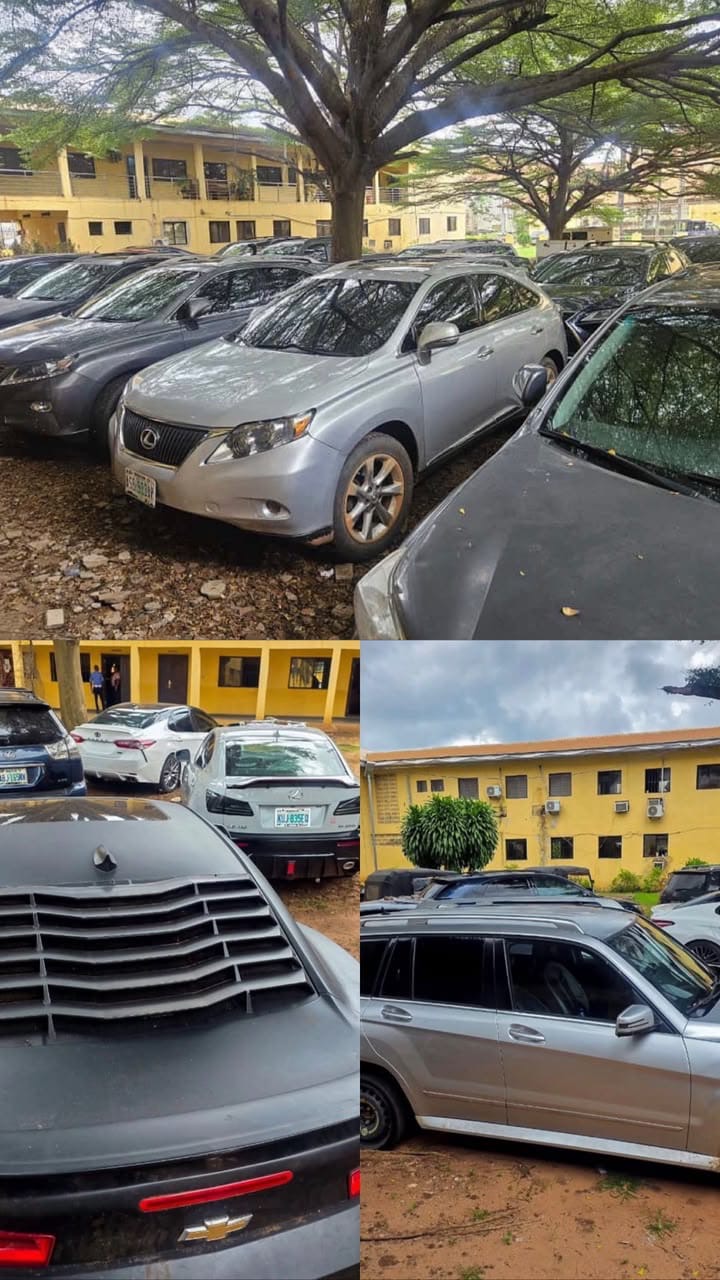
The Delta State Police Command has impounded 21 vehicles in Abraka in a crackdown on documentation offences and suspected proceeds of crime following an intelligence-led raid.
The operation, carried out on Tuesday, 21st July 2026 at about 1500 hours, was led by the Deputy Commissioner of Police, Department of Operations.
The vehicles include a silver Mercedes-Benz, a black Chevrolet Camaro, a Toyota Camry, a Lexus SUV, and a blue tricycle with number plate “26 433.” Other private cars were also among those seized.
The Commissioner of Police, C.P Yemi Oyeniyi said the operation targeted vehicles with incomplete documents, unregistered cars, and those suspected to be linked to cybercrime.
Officers also checked for illegal tint and other traffic offences.
Abraka is home to Delta State University. The town has seen more police patrols in 2026 due to high student and business activity and growing concerns over crime.
The Delta Command said it will continue intelligence-led patrols on campuses, in markets, and on major roads to improve security and enforce traffic laws.
Mr Stanley,a commercial driver in Abraka,said:
“The police are just doing their job, but we need clearer information on how to collect our vehicles.”
As of press time,Police Public Relations Officer, Delta State Command, SP Bright Edafe, has not released details on arrests or the procedure for vehicle recovery.
Residents have been advised to ensure they have valid vehicle papers, insurance, and tint permits to avoid being affected in future operations.
-
 Education3 weeks ago
Breaking: DELSU Postpones Second Semester Examinations. See New Date
-
 Education4 weeks ago
DELSU Announces Admission Into New Diploma Programmes For 2026/2027 Academic Session
-
 Views Point1 month ago
OPINION: Agriculture, Nigeria’s Fading Goldmine
-

 Abraka Metro1 month ago
Experts Urge Students To Embrace AI With Open Hearts
-

 Education1 week ago
Breaking: DELSU Bans “Sign Out” Parties, Threatens 2-Semester Rustication For Violators
-
 Education1 month ago
28-Years-Old Man Swindles JUPEB Students, Diverts N15 Million School Fees
-

 Entertainment1 month ago
World Cup 2026: US-Iran Tensions, Local Travel Hurdles, Global Friction Shape Fan Atmosphere
-
 Education2 weeks ago
DELSU Begins Postgraduate Admission for 2026/2027 Academic Session
-
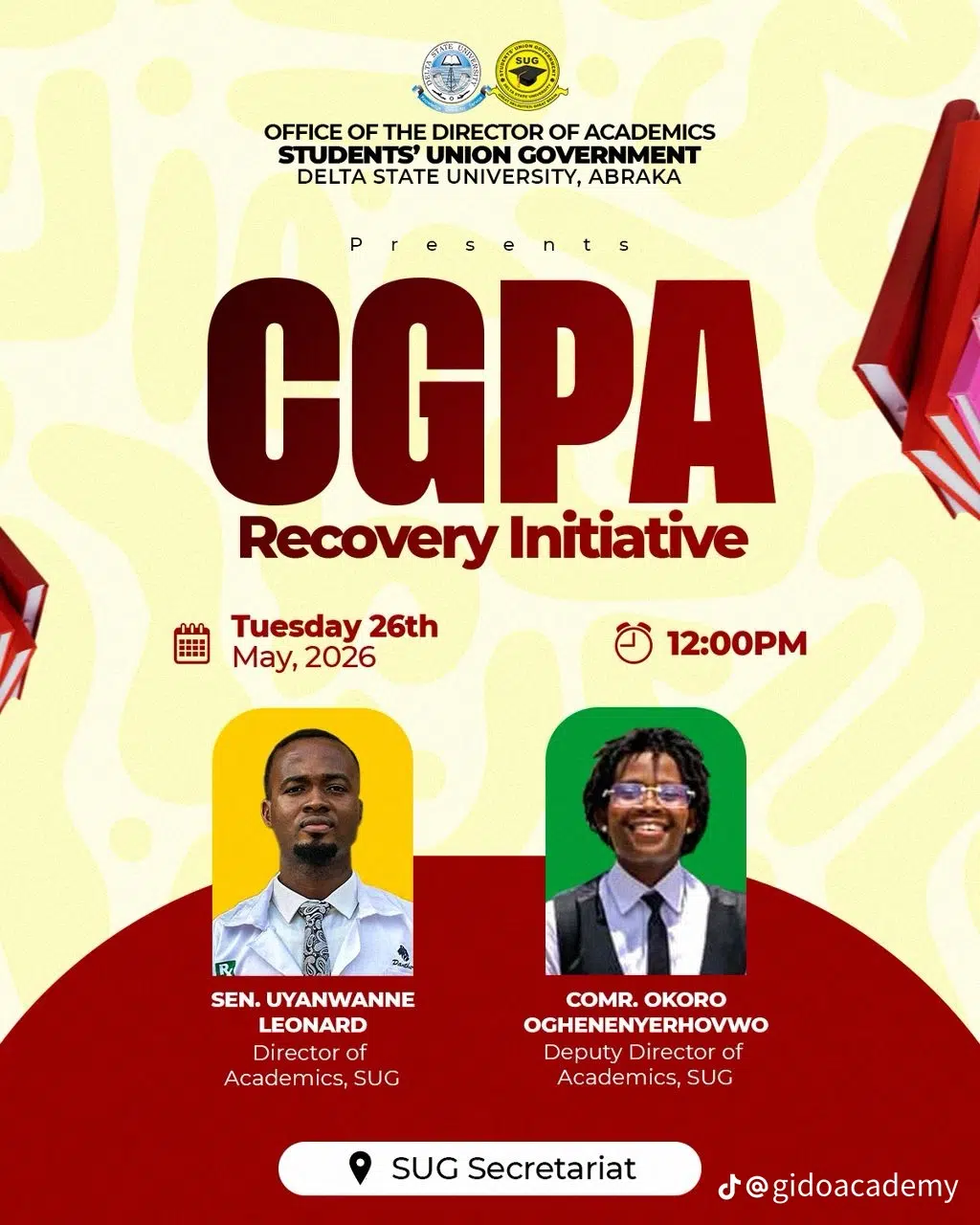 Abraka Metro2 months ago
DELSU SUG Tackles Academic Decline with ‘CGPA Recovery Initiative’ for Junior Students
-
 Abraka Metro1 month ago
Rising House Rents Put Pressure on DELSU Students in Abraka
-

 Abraka Metro2 weeks ago
Elozino Ogege: Lecturers React As Court Sentences Killers Of DELSU First-Class Student To Death
-
 Education1 month ago
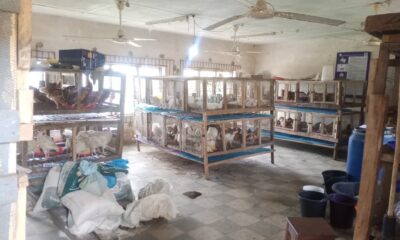
Challenges Persist at DELSU Agricultural Farm Despite Student Training
-

 Education1 month ago
DELSU-SUG Begins Week-Long Celebration, Targets Campus Inclusiveness
-

 Trending News1 month ago
Abraka Residents Advocate Entrepreneurship, Warn Against Gambling Amid Economic Hardship
-
 Education2 months ago
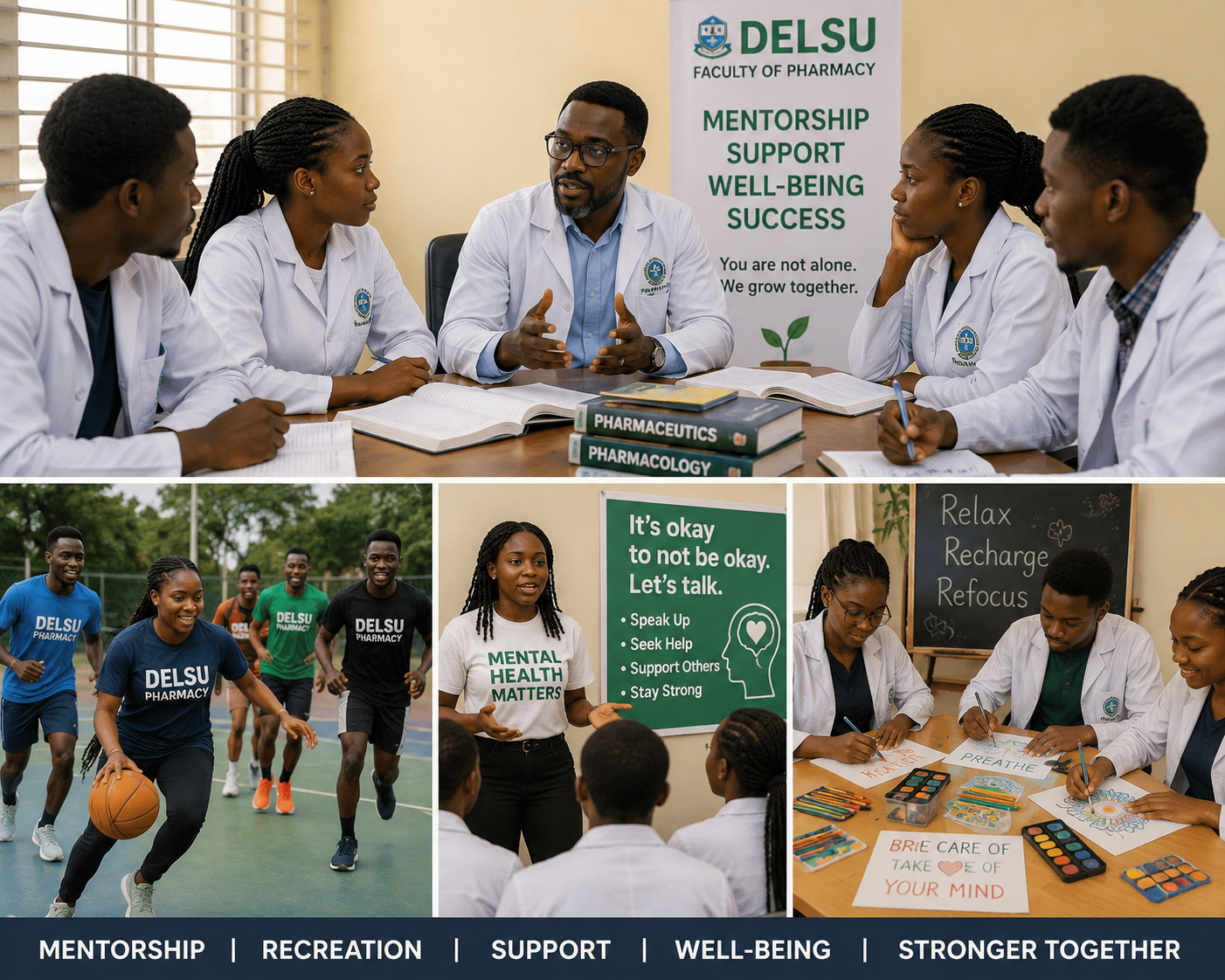
DELSU: Pharmacy Students Embrace Mentorship, Recreational Programmes to Combat Mental Health Challenges


