
Education
DELSU Hosts 120th Inaugural Lecture At Site III


By Oghenetega Akpomiemie
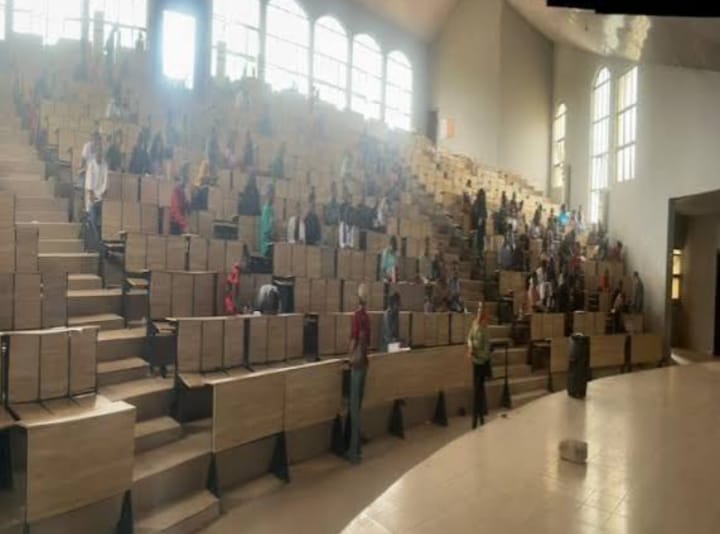
Delta State University (DELSU), Abraka, on Thursday hosted its 120th Inaugural Lecture at the 750 Lecture Theatre A, Site III, where scholars, students, members of staff and invited guests gathered to discuss strategies for improving agricultural development and food security in Nigeria.
The lecture was delivered by Professor Bishop Ochuko Ovwigho, Professor of Agricultural Programme Monitoring and Evaluation, under the theme “Achieving Food Security: Hierarchy of Objectives Monitoring and Evaluation Model for Agricultural Development Programme.”
The event began at 11:00 a.m., with guests taking their seats before the scheduled commencement.
The Vice-Chancellor, Professor Samuel O. Asagba, who chaired the occasion, described inaugural lectures as an important academic tradition that enables professors to share the outcomes of years of research with the university community and the wider public.
Professor Ovwigho emphasised the need for effective monitoring and evaluation of agricultural programmes, noting that proper planning and implementation are essential to achieving sustainable food production and national food security.
Students from different faculties, particularly those at Site III, attended the lecture and participated attentively throughout the presentation.
Many described the lecture as enlightening and relevant to Nigeria’s current agricultural and economic challenges.
The event ended with a vote of thanks and appreciation to the inaugural lecturer, while the university reaffirmed its commitment to promoting research, innovation and academic excellence through its inaugural lecture series.









By Emmmanuella Thomas
Professor Asagba has continued to prioritize the rehabilitation and expansion of infrastructure across Delta State University, Abraka.
Between May 2026 and the present, the university has highlighted several ongoing and planned projects aimed at improving the learning environment for students and staff.
Some of the key projects include renovation of classrooms and laboratories across the university to provide a better teaching and learning environment.
Upgrading ICT infrastructure, including improvements to computer-based testing (CBT) centres and digital learning facilities.
Rehabilitation of student hostels, with the Vice Chancellor stating that students would see significant improvements before the new academic session.
Construction of the Faculty of Agriculture complex and continued work on a 500-seat lecture theatre.
These projects are intended to expand teaching and research facilities.
Plans to develop a modern sports complex to improve sporting facilities and student development.
Continued support for major infrastructure through TETFund, including funding for the Faculty of Engineering and medical laboratory facilities.

By Magba Nancy
The Vice-Chancellor of Delta State University (DELSU), Abraka, Professor Samuel O. Asagba, has announced a ban on all sign-out parties and other forms of unruly celebrations within the university campuses as part of measures to strengthen security and maintain order during the ongoing 2025/2026 second semester and final-year examinations.
The directive was contained in the university’s Official Bulletin, dated Monday, August 3, 2026, and is directed particularly at final-year students who traditionally organize sign-out celebrations after completing their examinations.
According to the bulletin, the Vice-Chancellor said the decision was informed by security concerns, intelligence reports, and the need to safeguard lives and property within the university community.
Professor Asagba noted that the university would not permit any activity capable of disrupting peace, endangering lives, or compromising the security of students, staff, and visitors.
The bulletin advised all students, especially final-year students, to desist from organizing or participating in sign-out parties or any form of unruly celebration on any of the university’s campuses.
It further stated that any student found violating the directive would be deemed to have committed misconduct and would face disciplinary measures in accordance with the university’s regulations.
The sanctions, according to the bulletin, include rustication for up to two semesters, as provided in the Students’ Union Constitution and other extant university regulations.
To ensure strict compliance, Professor Asagba directed the university’s security personnel to arrest and hand over any student found violating the directive for appropriate disciplinary action.
The Vice-Chancellor emphasized that the policy is part of his administration’s commitment to maintaining a peaceful academic environment and ensuring that the examination period is free from activities capable of threatening public safety or disrupting university operations.
While acknowledging the excitement that accompanies the completion of academic programmes, the university maintained that celebrations must be conducted responsibly and in ways that do not interfere with the rights, safety, and well-being of others.
The latest directive underscores the university management’s resolve to uphold discipline and protect lives and property across the institution as the academic session gradually comes to an end.
Members of the university community have been urged to comply fully with the directive, as management warned that no student found violating the order would be exempt from the prescribed disciplinary process.
By Favour Asiugure
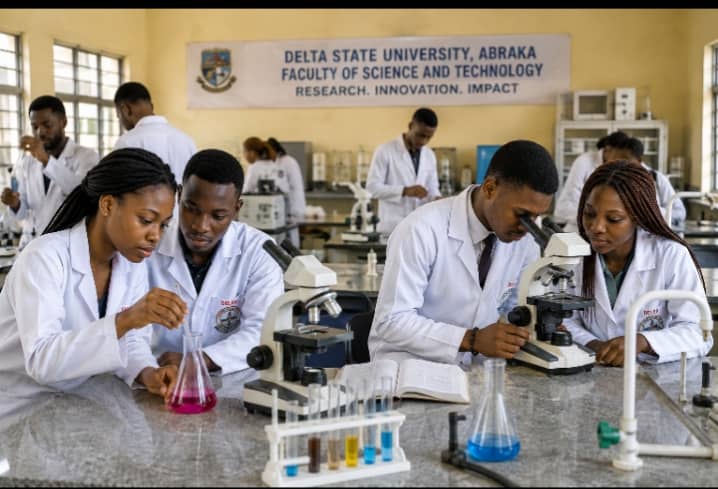
The Faculty of Science and Technology at Delta State University (DELSU), Abraka, has intensified efforts to promote research, innovation and academic excellence as part of the institution’s commitment to producing graduates equipped to address contemporary scientific and technological challenges.
The renewed drive comes amid recent developments within the university, including administrative appointments, research initiatives and sustained efforts to improve the quality of teaching and learning.
University authorities have reiterated their commitment to strengthening science-based education through improved collaboration among departments, enhanced laboratory experiences and greater participation in research activities.
Academic staff within the faculty have encouraged students to embrace research as an essential component of their academic journey.
According to lecturers, practical knowledge and innovative thinking remain vital in preparing graduates for careers in science, technology and related industries.
The faculty has also continued to encourage interdisciplinary collaboration among departments, enabling students and researchers to work together on projects aimed at solving real-life environmental, industrial and technological problems.
This approach is expected to improve the university’s research output while exposing students to modern scientific methods and emerging technologies.
Students interviewed on campus,one of them named Chukwuyenum Abigail welcomed the initiative, describing it as a positive step toward improving the quality of education in the faculty.
She expressed optimism that increased investment in research facilities and practical learning would better prepare them for employment and postgraduate studies.
One final-year student named Okonta Confidence,noted that greater emphasis on laboratory work and research has enhanced students’ understanding of classroom concepts.
According to the student, exposure to practical experiments has increased confidence in applying scientific knowledge to real-world situations.
University administrators have equally reaffirmed their commitment to creating an enabling environment for academic excellence through continuous staff development, quality assurance and the adoption of innovative teaching strategies.
The management believes that strengthening research culture remains critical to achieving the institution’s vision of becoming a leading centre of excellence in higher education.
Education stakeholders have commended DELSU’s sustained investment in research and innovation, describing science and technology as key drivers of national development.
They urged government agencies, private organisations and alumni to partner with the university in providing modern laboratories, research grants and technological equipment that would further enhance learning and scientific discovery.
As universities across Nigeria continue to adapt to changing global educational standards, the Faculty of Science and Technology at DELSU is positioning itself to remain competitive through innovation, research excellence and practical training.
The initiative is expected to produce graduates with the technical competence, critical thinking skills and entrepreneurial mindset required to contribute meaningfully to Nigeria’s scientific and technological advancement.
With the university maintaining its focus on academic quality and institutional development, members of the university community remain optimistic that the faculty will continue to record significant achievements in research, innovation and community service in the coming academic sessions.
-

 Education3 weeks ago
Breaking: DELSU Postpones Second Semester Examinations. See New Date
-
 Education4 weeks ago
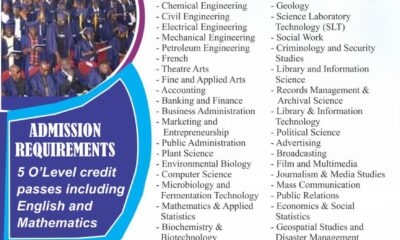
DELSU Announces Admission Into New Diploma Programmes For 2026/2027 Academic Session
-
 Views Point1 month ago
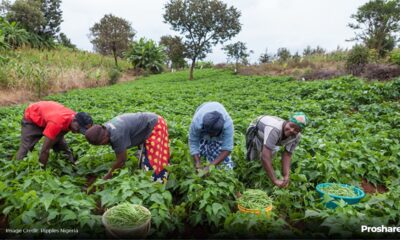
OPINION: Agriculture, Nigeria’s Fading Goldmine
-

 Abraka Metro1 month ago
Experts Urge Students To Embrace AI With Open Hearts
-

 Education1 week ago
Breaking: DELSU Bans “Sign Out” Parties, Threatens 2-Semester Rustication For Violators
-

 Education1 month ago
28-Years-Old Man Swindles JUPEB Students, Diverts N15 Million School Fees
-

 Entertainment1 month ago
World Cup 2026: US-Iran Tensions, Local Travel Hurdles, Global Friction Shape Fan Atmosphere
-
 Education2 weeks ago
DELSU Begins Postgraduate Admission for 2026/2027 Academic Session
-
 Abraka Metro2 months ago
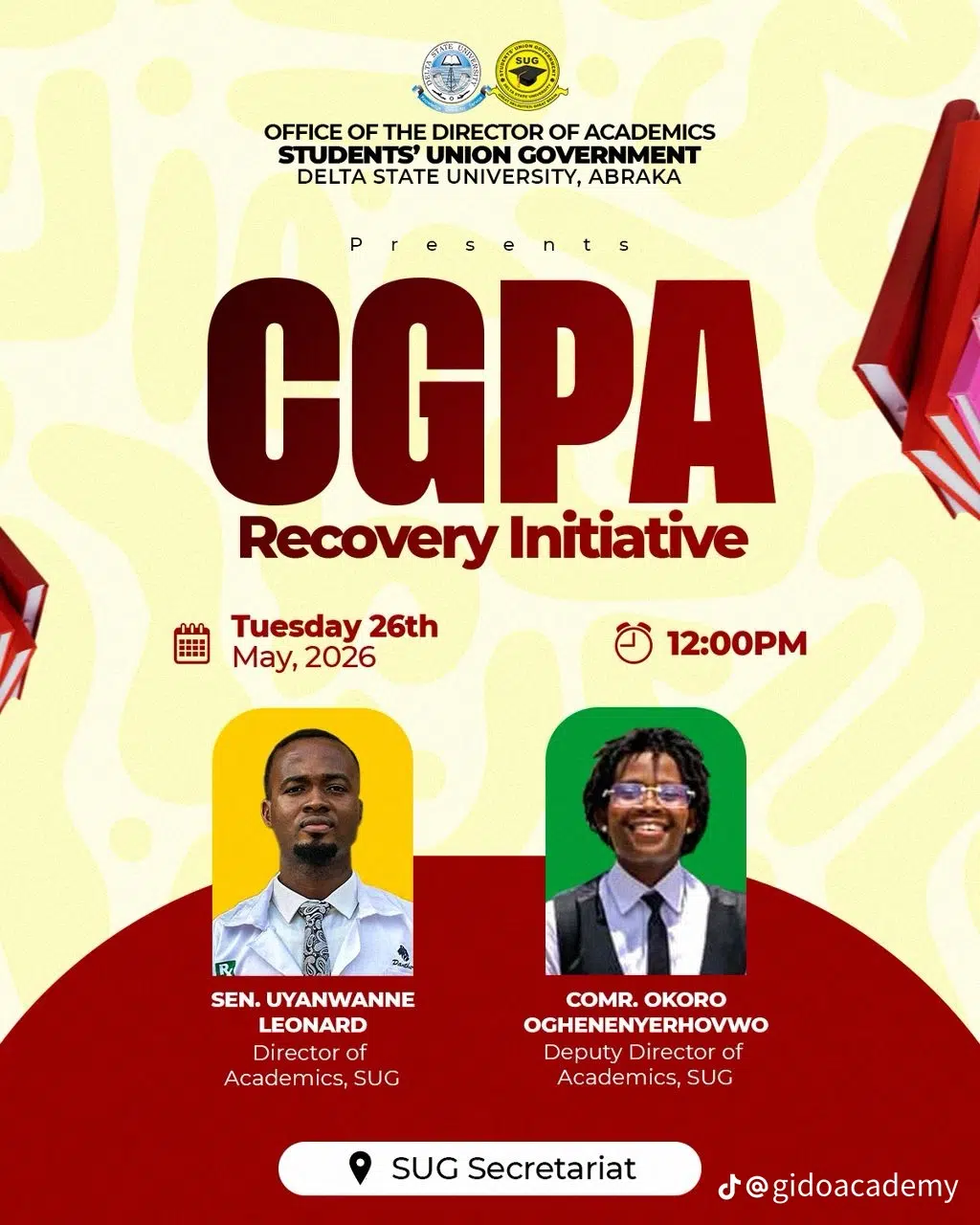
DELSU SUG Tackles Academic Decline with ‘CGPA Recovery Initiative’ for Junior Students
-
 Abraka Metro1 month ago
Rising House Rents Put Pressure on DELSU Students in Abraka
-

 Abraka Metro2 weeks ago
Elozino Ogege: Lecturers React As Court Sentences Killers Of DELSU First-Class Student To Death
-
 Education1 month ago
Challenges Persist at DELSU Agricultural Farm Despite Student Training
-

 Education1 month ago
DELSU-SUG Begins Week-Long Celebration, Targets Campus Inclusiveness
-

 Trending News1 month ago
Abraka Residents Advocate Entrepreneurship, Warn Against Gambling Amid Economic Hardship
-
 Education2 months ago
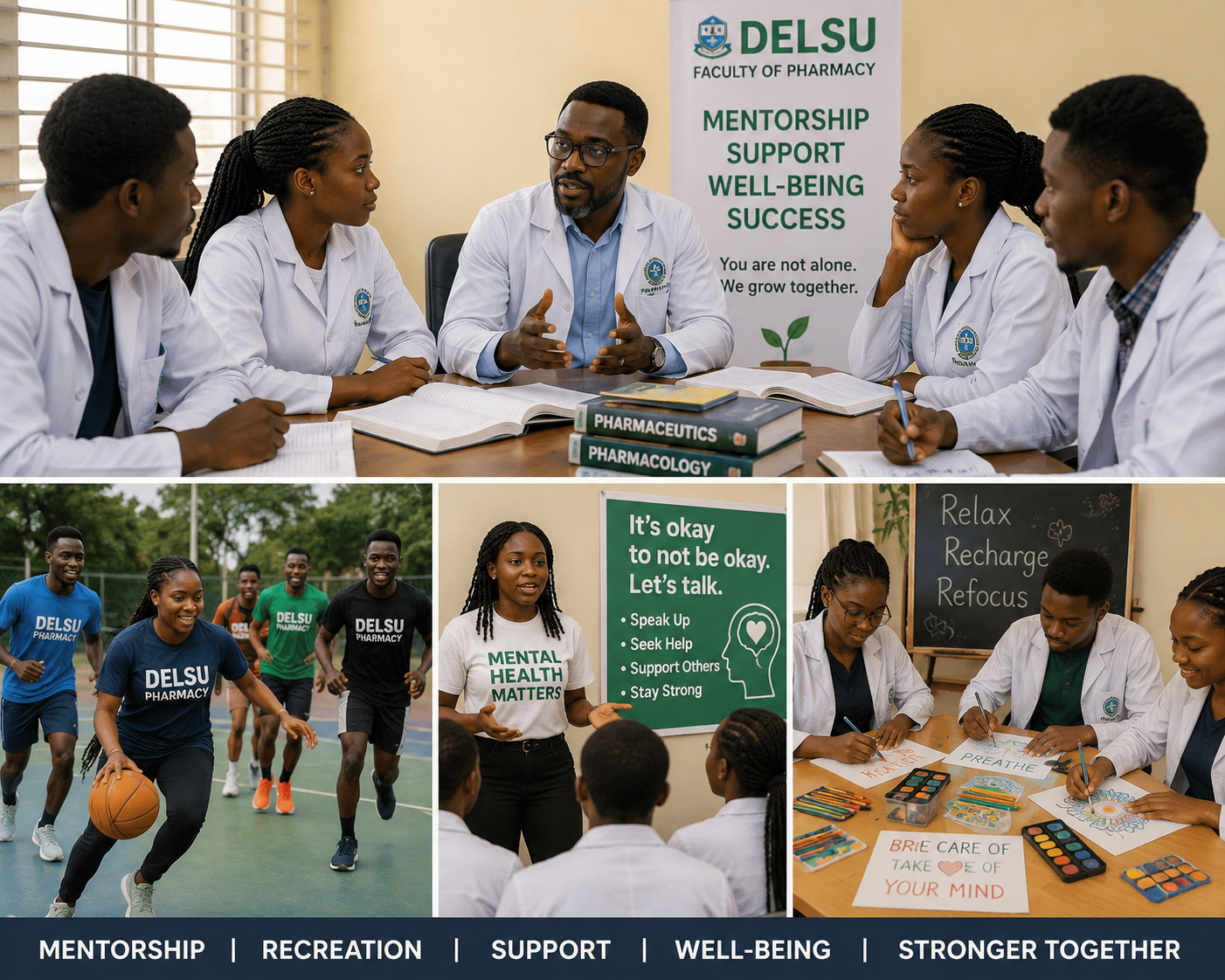
DELSU: Pharmacy Students Embrace Mentorship, Recreational Programmes to Combat Mental Health Challenges


