
Health Corner
Abraka PHC Steps Up Cholera Prevention Measures, Highlights Funding Challenge

By Angela Sajini
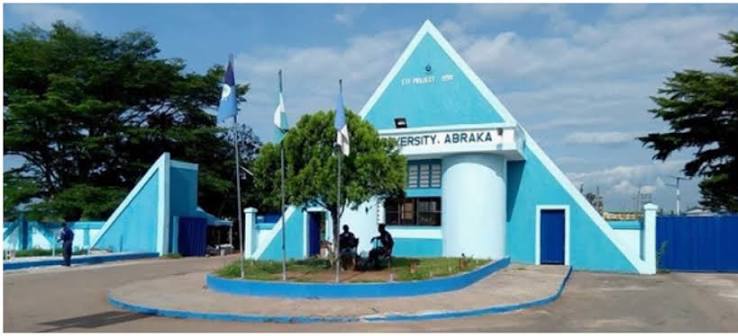
Health workers at the DELSU Primary Health Centre, Site III, Abraka, say they are on “high alert” over the cholera outbreak in parts of Nigeria, even as insecurity and poor funding continue to hamper service delivery at the facility.
Speaking to in an interview, Dr. Mrs. Benedo, a medical doctor at the centre, said prevention remains critical as cholera spreads through contaminated food and water, especially during the rainy season when flooding increases contamination risks.
She listed three key preventive measures to include drinking clean and safe water, proper waste disposal, and regular hand washing.
“Cholera is fast and deadly if untreated. That’s why prevention is everything,” Dr. Benedo said.
READ ALSO: 2027: Rise In PVC Registrations Signals Growing Political Interests, Says INEC Official
She urged residents to boil water from doubtful sources, avoid roadside food exposed to flies, wash hands with soap after using the toilet and before eating, and to report cases of severe watery stool immediately.
“Don’t stay at home if you notice severe stooling. Come straight to the nearest primary health centre,” she advised.
A health worker at the facility added, “We are praying Abraka remains cholera-free, but that will only happen if every resident plays their part.”
Despite the alert, Dr. Benedo said insecurity and inadequate funding are making it difficult for staff to deliver effective healthcare. She called on government to improve security for medical professionals and increase funding for primary healthcare centres.
READ ALSO: Again, Students Decry Soaring House Rent In Abraka
The doctor also highlighted shortages of Personal Protective Equipment, PPE, as a major concern for staff who are exposed to infectious diseases daily.
“Government must take care of insecurity in the country and fund the health care centre. PPE is also critical,” she stated.
Another health worker who spoke on condition of anonymity said staff remain committed to serving the community despite the challenges.
“We will also do our job despite the security challenges because our job is to save lives,” the worker said.
Dr. Benedo stressed that with better security and funding, the centre would be better equipped to respond to public health emergencies like cholera and continue to provide quality care to Abraka residents.








By Smith Jerry
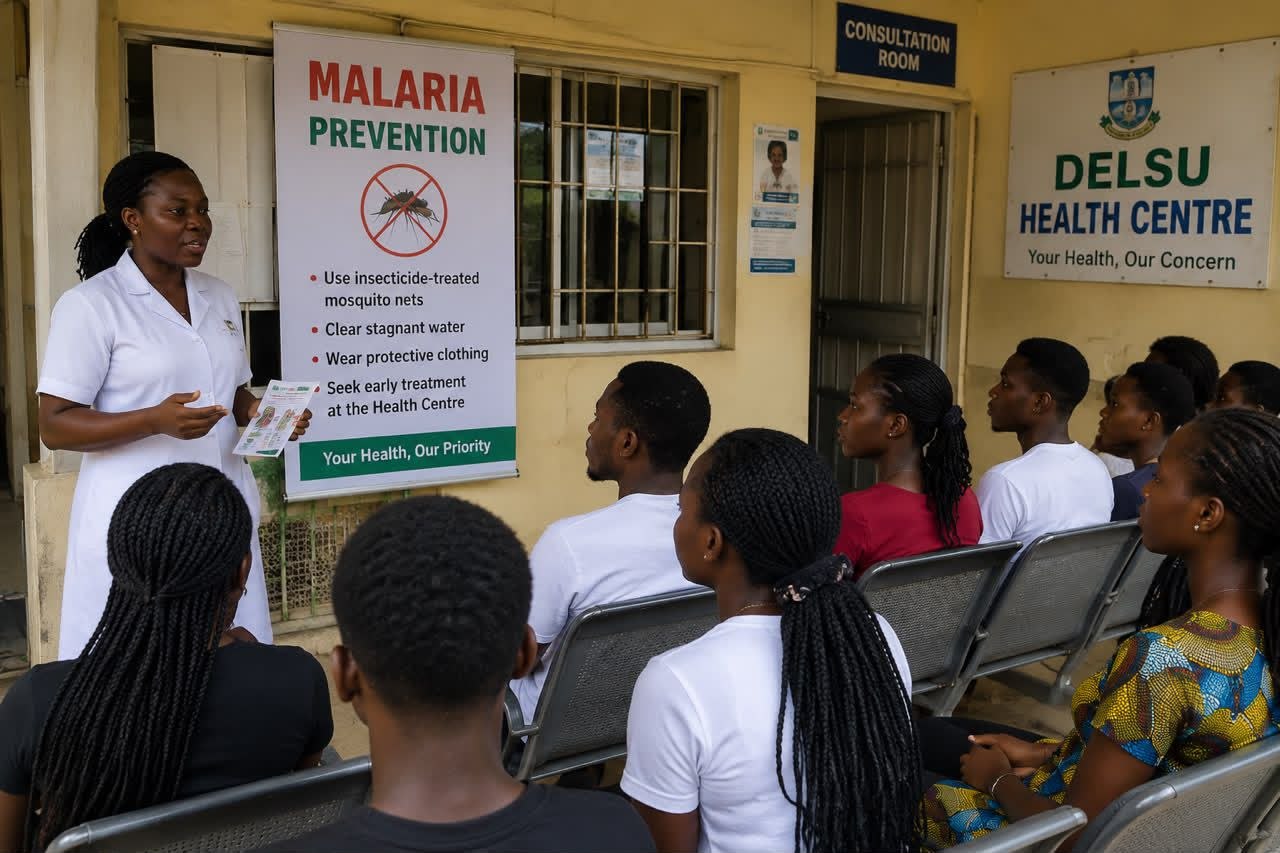
The Health Centre of Delta State University (DELSU), Abraka, has launched a malaria prevention awareness campaign aimed at educating students on effective ways to prevent and manage one of the most common health challenges affecting undergraduates.
The campaign, which forms part of the centre’s efforts to promote healthy living within the university community, focused on reducing malaria cases through increased awareness, proper hygiene practices and early medical intervention.
During the sensitisation programme, healthcare professionals educated students on the causes, symptoms, prevention and treatment of malaria. They advised students to sleep under insecticide-treated mosquito nets, keep their surroundings clean, clear stagnant water around hostels and seek medical attention whenever they experience symptoms such as fever, headache, chills and body weakness.
Speaking during the programme, a health officer warned students against self-medication, stressing that proper diagnosis through laboratory tests is necessary before taking antimalarial drugs.
The officer advised students to visit the Health Centre for professional medical assistance rather than relying on unverified medications or recommendations from friends.
Some students who participated in the campaign described it as informative and useful, noting that the health tips provided would help them adopt better preventive measures, especially during the rainy season when mosquito breeding increases.
A student who attended the programme said the awareness had improved her understanding of malaria prevention and the importance of maintaining a clean environment.
The Health Centre also used the opportunity to encourage students to maintain a balanced diet, exercise regularly, get adequate rest and undergo routine medical check-ups to improve their overall well-being.
Medical personnel noted that prevention remains one of the most effective ways of reducing the spread of diseases within the university environment.
The management of the Health Centre reaffirmed its commitment to organising more health education programmes throughout the academic session. Students were encouraged to take advantage of available medical services and participate actively in future health awareness initiatives.
The malaria prevention campaign highlights DELSU’s commitment to promoting a healthier campus environment as university officials continue to emphasize the importance of preventive healthcare among students.
By Smith Jerry Enajemo
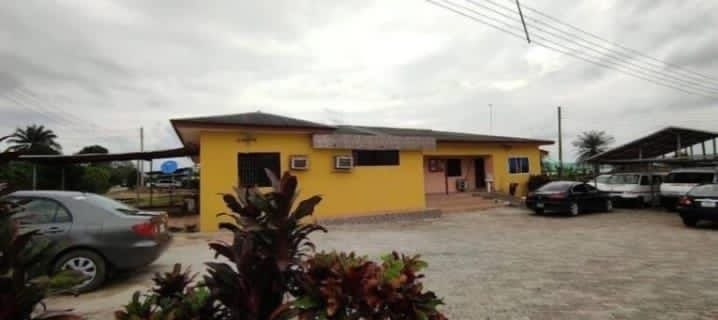
The Health Centre at Campus II of Delta State University (DELSU), Abraka, continues to serve as one of the institution’s most important support facilities, providing affordable and accessible healthcare services to students and staff.
Every day, students and members of staff visit the centre to receive medical attention for a wide range of health concerns. The facility plays a vital role in helping students maintain good health, enabling them to participate fully in lectures, practical sessions, examinations, and other academic activities. For many students, the Health Centre remains their first point of contact whenever they feel unwell.
A recent visit to the Health Centre revealed a clean and well-organised environment where doctors, nurses, pharmacists, and other healthcare professionals attended to patients in a calm and professional manner. Students with common illnesses such as malaria, typhoid, headaches, fever, cough, stomach infections, allergies, and minor injuries received prompt treatment, while those requiring specialised care were referred to appropriate hospitals for further examination and treatment.
In addition to treating illnesses, the Health Centre offers routine medical check-ups, first aid services, health counselling, prescription services, and emergency care. Medical personnel also educate students on healthy living by promoting regular exercise, balanced nutrition, adequate sleep, proper hygiene, and the importance of avoiding self-medication. According to members of staff, early diagnosis and treatment often prevent minor illnesses from developing into more serious health conditions.
Students interviewed during the visit expressed appreciation for the quality of care they received. Many described the staff as friendly, respectful, and attentive, noting that they listened carefully before recommending treatment. Some students said the Health Centre saves them the stress, time, and cost of travelling outside the university for basic medical care.
However, a few students suggested that employing additional medical personnel, expanding the waiting area, and increasing the supply of essential drugs would further improve service delivery, especially during peak periods.
Speaking on behalf of the Health Centre, the management reaffirmed its commitment to providing quality healthcare services for the university community. The management stated that efforts are ongoing to upgrade medical equipment, maintain a steady supply of essential drugs, and provide continuous professional training for healthcare workers.
Students were also encouraged to seek professional medical attention as soon as they notice symptoms of illness rather than relying on advice from friends or using unprescribed medicines.
The Campus II Health Centre continues to play a vital role in supporting the welfare of the university community. Through quality healthcare services, health education, and timely emergency response, the centre contributes to a safer and healthier learning environment. As the student population continues to grow, many believe that sustained investment in the Health Centre will strengthen its capacity to meet the healthcare needs of students and staff while supporting the university’s commitment to academic excellence.

By Favour Emu
Nigeria is facing an escalating humanitarian emergency, with millions across the Northeast, Northwest, and North-Central regions battling acute food insecurity, malnutrition, displacement, and the effects of protracted conflict.
According to United Nations assessments for 2026, 5.9 million people need urgent humanitarian assistance.
Nearly 35 million Nigerians are at risk of acute hunger during the lean season between harvests — marking one of the country’s most severe food crises in nearly a decade.
The crisis traces back to the 2009 Boko Haram insurgency in Borno, Adamawa, and Yobe states, known as the BAY states. It has since expanded to include banditry, farmer-herder clashes, and communal violence.
The violence has displaced more than 3.7 million people, the majority women and children, while destroying livelihoods and cutting off access to farmland and markets.
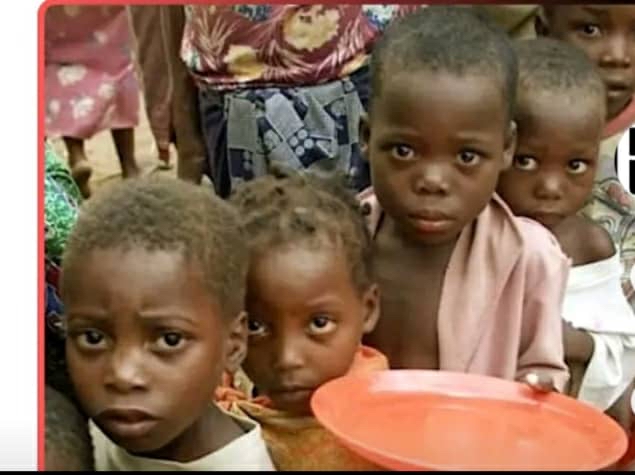
Children remain the most vulnerable. UN projections indicate more than 6 million children could suffer acute malnutrition by September, including about 2 million cases of severe acute malnutrition requiring immediate life-saving treatment.
In the BAY states alone, 4.8 million people need emergency food and nutrition aid.
In northern states, over 17 million people are already experiencing crisis or worse levels of hunger, with Borno State among the worst hit.
Recent floods, economic hardship, and funding shortfalls have worsened the situation and pushed food insecurity above earlier forecasts.
Humanitarian agencies have launched a $516 million appeal to reach 2.5 million of the most severely affected people with food, healthcare, shelter, water, sanitation, and protection services. As of late June, the plan was about 47% funded.
Organizations including UNICEF, the World Food Programme, IOM, the Norwegian Refugee Council, and CARE continue operations despite major access challenges caused by insecurity.
Mr. Isaac Utowerie, a 35-year-old resident of Abraka, Delta State, warned that hunger and insecurity are forcing families to make difficult choices.
“The rate of hunger and insecurity will end up sending students out of school just to make ends meet,” he said.
Former presidential candidate Peter Obi also raised the alarm this week, citing the new UN report and urging immediate government intervention to avert what he called “a major national tragedy.”
A prSixteen years of conflict have left deep scars. Civilian casualties have risen sharply in recent years as attacks increasingly target communities, further undermining stability.
Broader challenges are compounding the crisis. More than 133 million Nigerians live in poverty, while disease outbreaks and climate-induced disasters continue to strain resources.
Officials and aid groups say improved security to enable farming, stronger local governance, and sustained international support are critical to prevent further deterioration.
With humanitarian needs outpacing available resources amid global funding pressures, agencies stress that continued monitoring and coordinated action will be essential in the months ahead.
-
 Views Point3 weeks ago
OPINION: Agriculture, Nigeria’s Fading Goldmine
-

 Abraka Metro3 weeks ago
Experts Urge Students To Embrace AI With Open Hearts
-
 Education1 week ago
DELSU Announces Admission Into New Diploma Programmes For 2026/2027 Academic Session
-

 Education3 weeks ago
28-Years-Old Man Swindles JUPEB Students, Diverts N15 Million School Fees
-

 Entertainment2 weeks ago
World Cup 2026: US-Iran Tensions, Local Travel Hurdles, Global Friction Shape Fan Atmosphere
-
 Abraka Metro4 weeks ago
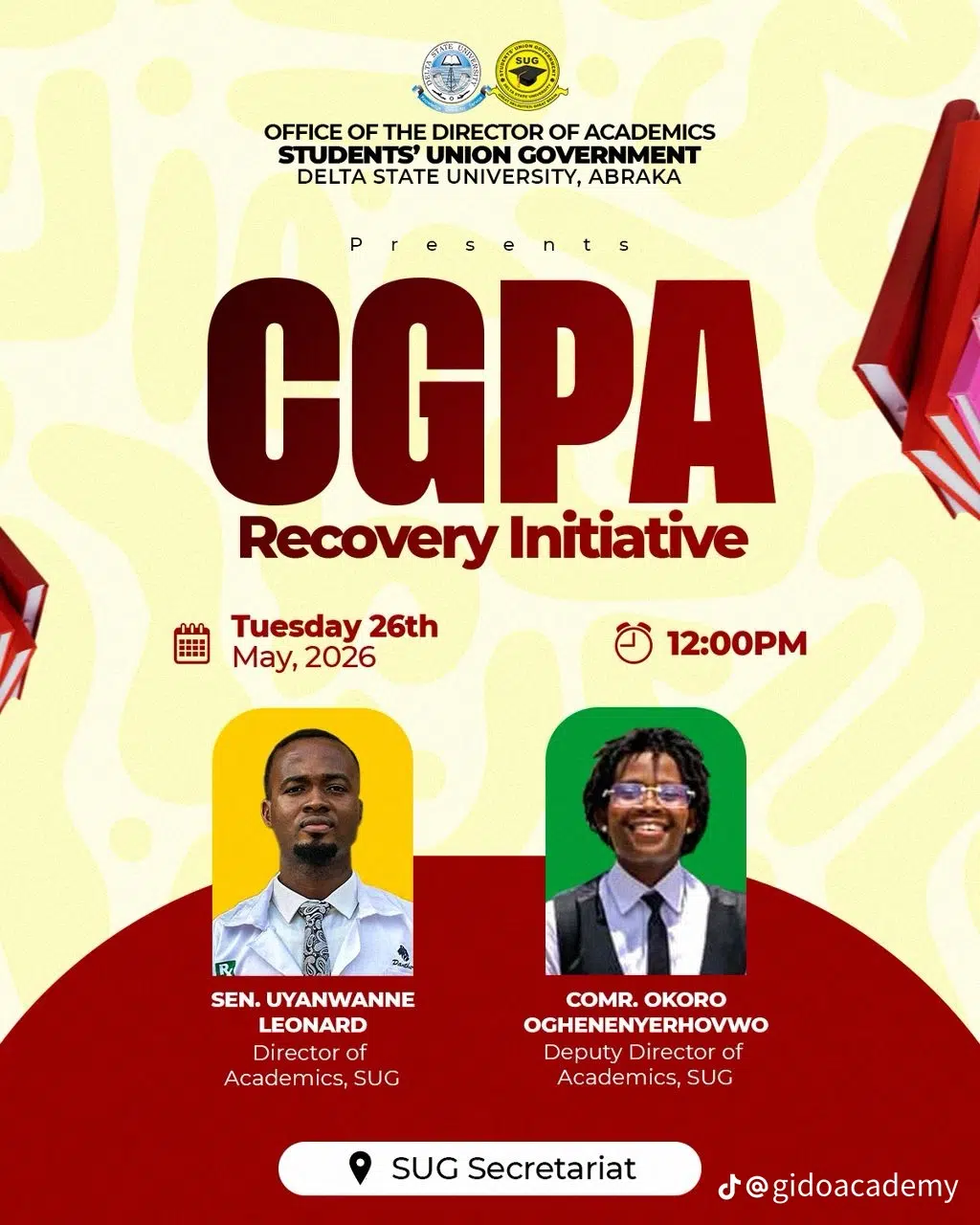
DELSU SUG Tackles Academic Decline with ‘CGPA Recovery Initiative’ for Junior Students
-
 Abraka Metro2 weeks ago
Rising House Rents Put Pressure on DELSU Students in Abraka
-
 Education2 weeks ago
Challenges Persist at DELSU Agricultural Farm Despite Student Training
-

 Education2 weeks ago
DELSU-SUG Begins Week-Long Celebration, Targets Campus Inclusiveness
-
 Education4 weeks ago
DELSU: Pharmacy Students Embrace Mentorship, Recreational Programmes to Combat Mental Health Challenges
-
 Abraka Metro4 weeks ago
Students demand Immediate Action As Kidnapping Spree Returns In Abraka
-

 Trending News1 week ago
Abraka Residents Advocate Entrepreneurship, Warn Against Gambling Amid Economic Hardship
-

 Abraka Metro3 weeks ago
DELSU-SUG Moves To Tame Growing Social Vices On Campus
-
 Abraka Metro4 weeks ago
Students Express Worries Over Worsening Insecurity Ahead Of 2027 Polls
-
 Abraka Metro3 weeks ago
Fiber Optic Installation Begins At DELSU Site 2 As Students Seek Improved Service


