
Abraka Metro
Religious Organisations Promoting Peace, Development in Abraka, Say Clerics, Others

By John Okomideghe
Clerics and religion practitioners have stated that religious organisations in Abraka play a significant role in promoting peace, moral values and community development through regular worship services, humanitarian activities, youth empowerment programmes, and community outreach initiatives.
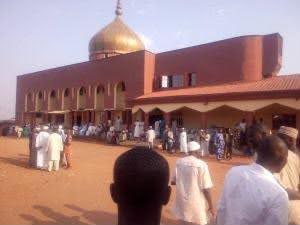
The speakers, drawn from various faiths, observed that across the university town, churches and mosques serve not only as places of worship but also as centres where residents receive spiritual guidance, counselling, and social support.
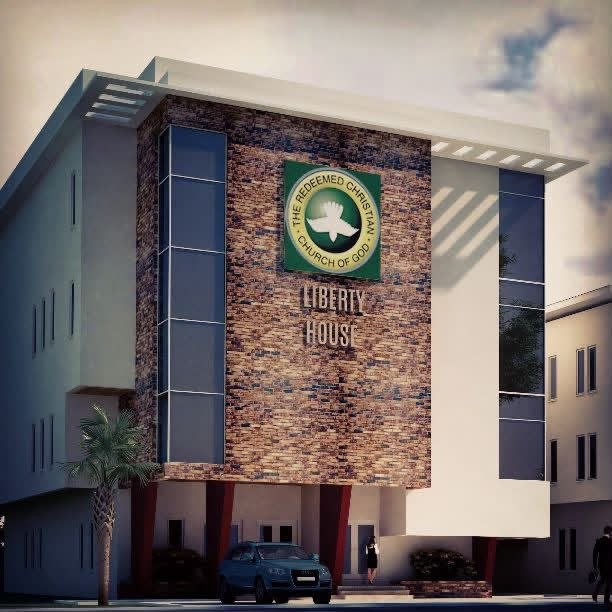
Speaking on the impact of the church in the community, Pastor Prince Pius, of the Redeemed Christian Church of God (RCCG), Joy Unspeakable Parish, Abraka, said the church remains committed to improving the lives of both its members and the wider community.
“The church is more than a place of worship. We are committed to building people of good character, promoting peace, and supporting those in need through charity and community service.”
According to him, the church regularly organizes evangelism programmes, youth conferences, counselling sessions, leadership training, and charitable activities such as food distribution, visits to orphanages, and support for widows and less-privileged families.
He emphasized that religious organisations have a responsibility to contribute positively to society beyond preaching by addressing the social and emotional needs of individuals and communities.
Students of Delta State University (DELSU) also acknowledged the positive impact of religious organisations on campus.
Sharon Chinedu, a student in the Department of Marketing, said participation in campus fellowship activities has contributed significantly to both academic success and personal development.
“Being part of a religious fellowship on campus has helped me stay focused on my studies and make better decisions. It has also given me a sense of belonging and encouraged me to contribute positively to the community.”
She explained that campus fellowships regularly organize Bible studies, prayer meetings, leadership seminars, academic mentoring programmes, counselling sessions, and personal development workshops that encourage discipline, integrity, and responsible leadership among students.
A resident of Abraka, Mr. Michael Okoro, described religious organisations as valuable partners in community development.
“The churches and mosques in Abraka have had a positive influence on the community. They encourage peaceful living, support families in need through charity, and help guide young people towards responsible behaviour. I believe their contributions have strengthened unity among residents.”
According to him, many churches and mosques continue to support vulnerable members of society through donations, free medical outreaches, skills acquisition programmes, educational support, and community sanitation exercises.
He noted that these initiatives have strengthened social cohesion while improving relationships among residents from different backgrounds.
Despite their contributions, some religious leaders identified several challenges affecting the effectiveness of their outreach programmes.
Among the major concerns are rising economic hardship, increasing operational costs, limited financial resources, and the growing demand for humanitarian assistance. These challenges, they noted, have made it more difficult to sustain charitable activities and expand community development projects.
They appealed to well-meaning individuals, government agencies, corporate organisations, and development partners to support programmes that promote education, youth empowerment, healthcare delivery, and poverty reduction within the community.
Community leaders have also encouraged stronger cooperation among religious organisations in Abraka.
They believe that interfaith dialogue, collaborative community projects, and joint humanitarian initiatives can further strengthen peaceful coexistence, foster mutual understanding, and promote sustainable development within the town.
As Abraka continues to grow as a major university community, stakeholders maintain that religious organisations will remain important institutions for promoting moral values, mentoring young people, supporting vulnerable groups, and encouraging harmony among people of diverse cultural and religious backgrounds.
Beyond their spiritual responsibilities, religious organisations in Abraka continue to make meaningful contributions to community development through education, charity, youth mentorship, healthcare outreach, and the promotion of peace.
While economic challenges remain, their continued commitment to serving humanity demonstrates the important role faith-based institutions play in building stronger and more united communities. With sustained collaboration among religious bodies, community leaders, government, and other stakeholders, these organisations are well-positioned to remain catalysts for positive social change and sustainable development in Abraka.







By Blessing Alumona and Miracle Akpoyovwvayire
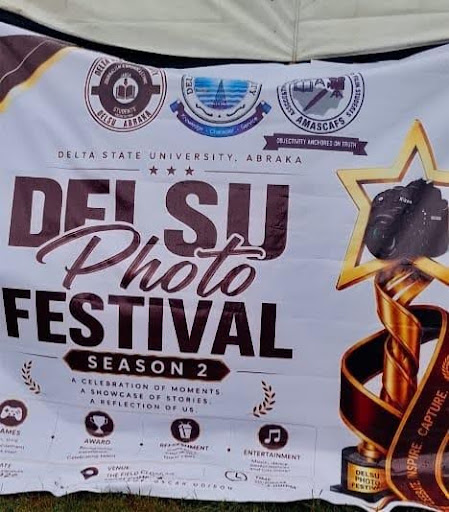
The second edition of the DELSU Photo Festival was held on July 17, 2026, in front of the university Sports Complex. Although the programme was originally scheduled to begin at 10:00 a.m., persistent rainfall delayed the event until about 2:00 p.m. A large canopy was provided to shield participants from the rain, while lively music entertained students as they arrived at the venue.
The event opened on a cheerful note with comedy and light-hearted remarks by Professor Odion Odiboh, creating an exciting atmosphere despite the weather. This was followed by the official opening address delivered by Comrade Regina Egbiamiye, President of the Department of Journalism. After her remarks, the pageantry segment commenced, with contestants representing the Departments of Mass Communication, Journalism, and Broadcasting showcasing their confidence and creativity. At the same time, judges assessed students’ photography projects while music kept the audience entertained.
One of the highlights of the festival was an interactive question-and-answer session that actively involved students and kept the audience engaged. Student union representatives, departmental executives, lecturers, and students participated throughout the programme, contributing to its lively and memorable atmosphere.
Speaking after the event, Faith Ogbotor, a 200-level Journalism student, described the festival as enjoyable and memorable. She said that although the heavy rainfall affected the programme, it did not prevent participants from having a rewarding experience.
READ ALSO: Poor Maintenance Of Student Hostels Raises Concern In Abraka
Another participant, Tejiri Mathias, a Mass Communication student, also commended the event but expressed concerns about what he described as partiality during some of the games. He suggested that improvements could be made in future editions to ensure fairness.
The festival concluded with the announcement of winners from the three departments. Four students emerged as winners from the Department of Broadcasting, twelve from the Department of Journalism, and twenty-two from the Department of Mass Communication. Each department also selected three overall outstanding winners through a voting process, and the successful participants received awards in recognition of their performances.
The celebration ended with music, dancing, and the distribution of refreshments to students, lecturers, and student executives. The joyful atmosphere and shared moments of celebration brought the 2026 DELSU Photo Festival Season 2 to a successful and memorable conclusion for everyone in attendance.
By Sajini Angela
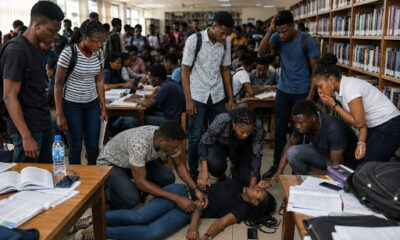
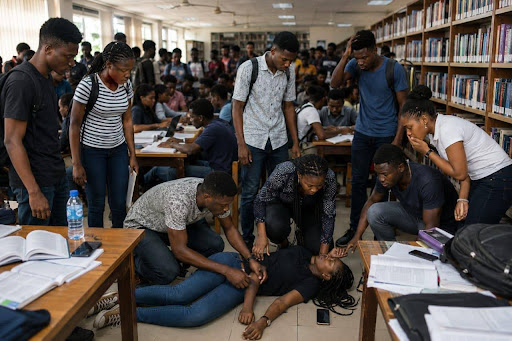
A female student of Delta State University (DELSU), Abraka, was rushed to the hospital after collapsing at the university library during the ongoing MIA examination.
According to students at the scene, the incident was linked to intense heat and overcrowding in the library. This reporter witnessed the student being carried out of the library and rushed to the hospital for medical attention.
Speaking with this reporter, a Mass Communication student, Monday Akubeze, who witnessed the incident, said:
“It was on Thursday afternoon when I went to the library to read that the incident happened. A girl who had an MIA examination to write suddenly collapsed and started gasping for air. It was later discovered that she fainted because the place was overcrowded and poorly ventilated. There were many students waiting to sit for the examination in the hall, but there was no fan or air conditioner to reduce the heat.”
READ ALSO: Youths In Abraka Call For Greater Political Participation
The incident has renewed concerns about poor ventilation and crowd management in examination venues as the MIA examinations continue.
Students have also called on the university authorities to improve ventilation in examination centres and ensure proper crowd control to prevent similar incidents. They urged fellow students to stay hydrated and step outside for fresh air if they begin to feel weak, especially in crowded environments.
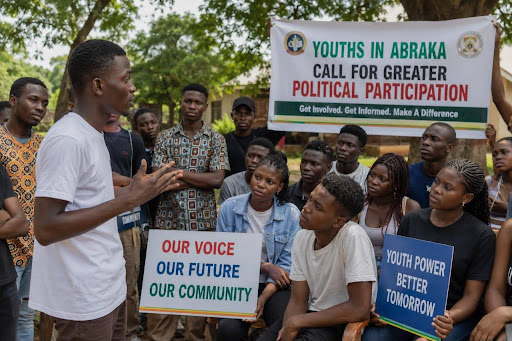
By Purity Enumah
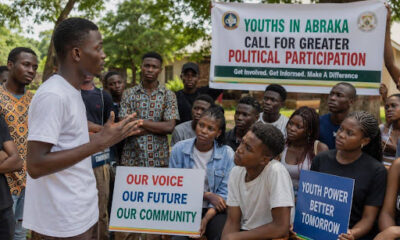
Youth leaders and activists in Abraka have called for increased youth participation in politics, emphasising the need for young people to take active roles in governance and leadership rather than remain passive observers.
The call was made during interviews on the state of youth involvement in politics in Abraka, where participants highlighted both the progress made and the challenges that continue to hinder meaningful youth representation in the political process.
According to a youth leader, political awareness among young people in the community has improved significantly in recent years. He noted that more youths are attending political meetings, engaging in discussions on community development, and showing interest in leadership positions.
“We are seeing more young people becoming interested in politics than before. Many are now actively involved in conversations about governance and community issues. However, there is still room for improvement because some young people feel their voices are not adequately represented,” he said.
A youth activist attributed the growing interest to the influence of social media and increased civic awareness campaigns.
“Young people now have easier access to information about government policies and political developments. Campaigns encouraging voter registration and participation in decision-making processes have also motivated many youths to become more politically conscious,” the activist said.
Despite the growing enthusiasm, the interviewees identified several obstacles facing young people who wish to participate actively in politics. Among the challenges mentioned were limited access to leadership opportunities, financial constraints, and the dominance of older politicians within existing political structures.
“Many political platforms are still controlled by older generations, making it difficult for young people to secure leadership positions. Financial challenges and political intimidation also discourage many youths from getting involved,” the youth leader explained.
On the issue of generational leadership, the activists expressed confidence that Abraka is ready for greater youth representation in public office. They argued that young people possess the creativity, innovation, and energy needed to contribute meaningfully to governance and community development.
“Leadership should be based on competence, vision, and commitment to service. There are many capable young people in Abraka who can lead effectively if given the opportunity,” one of the activists said.
The youth representatives further urged government institutions and political parties to create more opportunities for young people by supporting leadership development programmes, civic education initiatives, and youth empowerment schemes.
They also encouraged political parties to provide platforms that would enable young candidates to contest elections and participate in decision-making processes.
In a message to fellow youths, the activists urged young people not to remain on the sidelines but to engage actively in political activities, register to vote, participate in community discussions, and hold elected officials accountable.
“Politics affects every aspect of our lives. The future of our communities depends on the willingness of young people to get involved and contribute to shaping the society they want to see,” they said.
The interviews reflect the growing conversation around youth participation in politics across Delta State, as calls for increased youth representation and inclusion in governance continue to gain momentum.
-
 Views Point3 weeks ago
OPINION: Agriculture, Nigeria’s Fading Goldmine
-

 Abraka Metro3 weeks ago
Experts Urge Students To Embrace AI With Open Hearts
-
 Education1 week ago
DELSU Announces Admission Into New Diploma Programmes For 2026/2027 Academic Session
-

 Education3 weeks ago
28-Years-Old Man Swindles JUPEB Students, Diverts N15 Million School Fees
-

 Entertainment2 weeks ago
World Cup 2026: US-Iran Tensions, Local Travel Hurdles, Global Friction Shape Fan Atmosphere
-
 Abraka Metro4 weeks ago
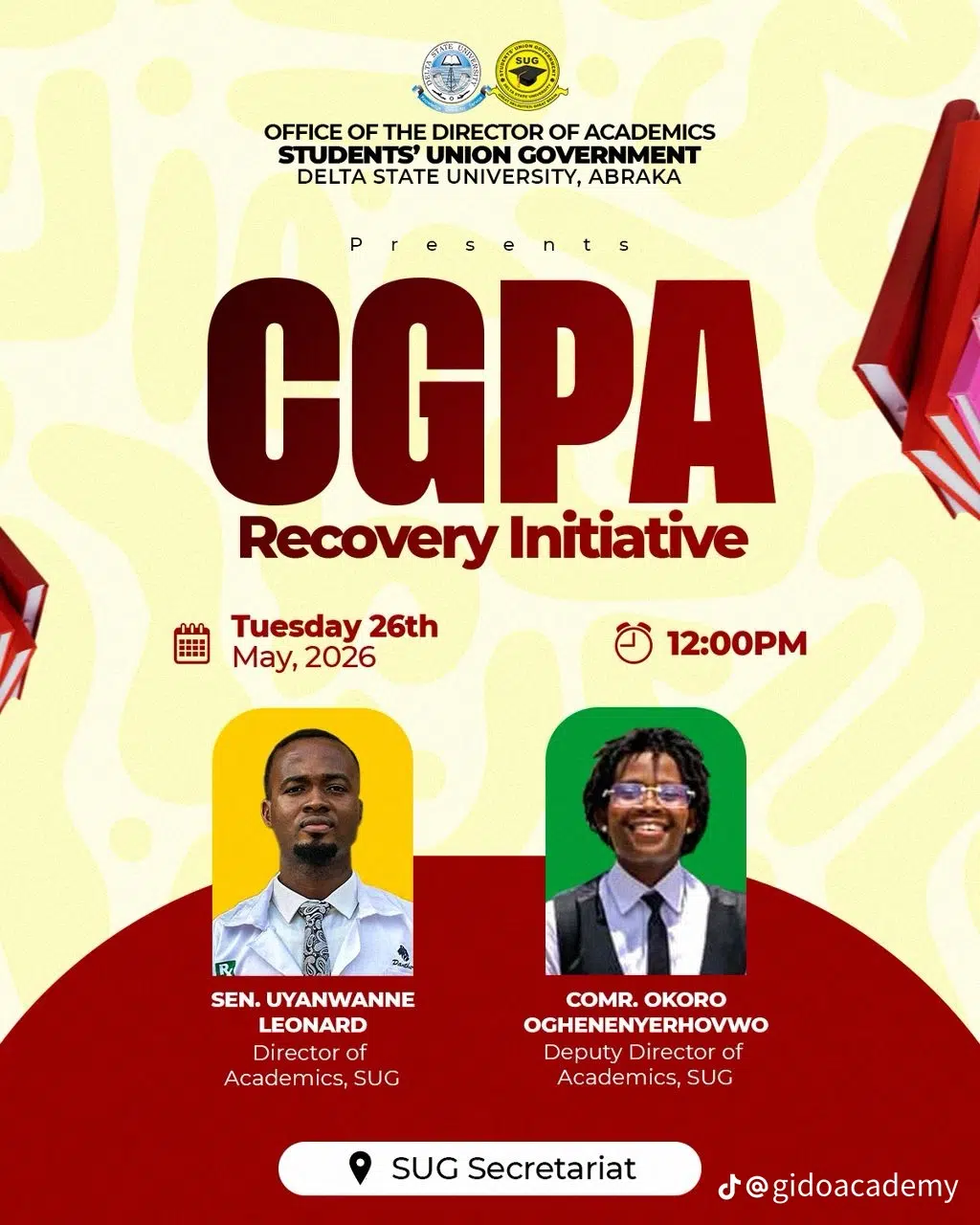
DELSU SUG Tackles Academic Decline with ‘CGPA Recovery Initiative’ for Junior Students
-
 Abraka Metro2 weeks ago
Rising House Rents Put Pressure on DELSU Students in Abraka
-
 Education2 weeks ago
Challenges Persist at DELSU Agricultural Farm Despite Student Training
-

 Education2 weeks ago
DELSU-SUG Begins Week-Long Celebration, Targets Campus Inclusiveness
-
 Education4 weeks ago
DELSU: Pharmacy Students Embrace Mentorship, Recreational Programmes to Combat Mental Health Challenges
-
 Abraka Metro4 weeks ago
Students demand Immediate Action As Kidnapping Spree Returns In Abraka
-

 Trending News1 week ago
Abraka Residents Advocate Entrepreneurship, Warn Against Gambling Amid Economic Hardship
-

 Abraka Metro3 weeks ago
DELSU-SUG Moves To Tame Growing Social Vices On Campus
-
 Abraka Metro4 weeks ago
Students Express Worries Over Worsening Insecurity Ahead Of 2027 Polls
-
 Abraka Metro3 weeks ago
Fiber Optic Installation Begins At DELSU Site 2 As Students Seek Improved Service


