
Views Point
Between Hope and Heartbreak

By Ese Ikefe
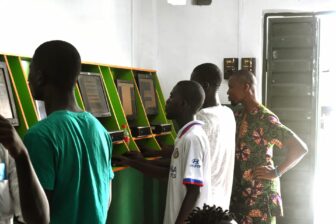
As the sun sets over Abraka, Delta State, a different crowd begins to gather.
Young men and women wander down River Road into betting shops and viewing centres, gazing at the television screens and mobile phones. Some discuss football statistics with the confidence of professional analysts, while others quietly study betting slips, hoping that ninety minutes of football somewhere in Europe or another international tournament could change their lives.
The interior of Affirmbetz on River Road, Abraka, is filled with excitement and tension. One goal and the entire room can erupt in jubilation while another side remains silent. Sports betting has become a way of life for many Nigerian youths. It is fast becoming a culture and, for some, an effort to find financial freedom.
Twenty-three-year-old Daniel Efejuku, who is waiting for a job, claims he began betting as a student.
READ ALSO: Hope Rises for 160 Beneficiaries As Church Organises Free Medical Outreach in Abraka
“At first, it was just for fun,” he says. “My friends and I would predict football scores. Then I won? 12,000 from a small stake, and I started believing that betting could help me solve some of my financial problems.”
Daniel’s story is not an isolated instance. In Nigeria, thousands of young people are increasingly engaged in sports betting to make money or to alleviate economic difficulties. With unemployment, inflation, and the rising cost of living, many youths see betting as an opportunity to achieve what hard work alone sometimes seems unable to provide.
According to one young trader in Abraka, Blessing Akpore, the economy has been a major contributor to the increasing craze of betting.
“Everything is expensive,” she says. Some people believe that gambling is the quickest way to make money, and you hear about people who have won huge amounts, and you think it can happen to you too.
READ ALSO: Experts Urge Students To Embrace AI With Open Hearts
With the advent of smartphones and internet services, betting has never been easier. Young people no longer have to visit betting shops physically. They can place bets from their hostels, offices, restaurants, and even classrooms.
However, despite this, it has been found that physical betting centres are still popular because they offer a venue where individuals can discuss their wagers, boast of their victories and motivate each other to continue the game.
The manager of Affirmbetz on River Road, Abraka, agreed to give his interview but insisted his name not be published.
“There are a lot of people that come in every day,” he adds. “Some treat betting as entertainment, but others believe it is their only chance to become rich. After a few wins, they become very confident and start taking bigger risks.”
READ ALSO: DELSU-SUG Moves To Tame Growing Social Vices On Campus
One of the challenges he faces is that many bettors won’t take a loss, he says.
Some people even come back tomorrow with more money because they think the next game will be different, he says.
Inside the betting shop, conversations revolve around football odds. One evening, bettors debate a home team with odds of 1.90, a draw at 3.50, and an away victory at 4.10. Others combine several matches into one ticket with high cumulative odds, hoping that a small amount of money could produce a life-changing reward.
The FIFA Club World Cup further fueled the excitement. Daniel recalls staking money in the opening match between Inter Miami and Al Ahly because he believed Inter Miami would win. Rather, it was a goalless draw, and his ticket was lost.
“I was very confident,” he says. “I even combined the match with other games because I wanted a bigger payout. When the final whistle went, I lost the money I had planned to use for my personal needs.”
He said that many youthful bettors around him had made similar predictions throughout the tournament. Although they have already failed to win, they still have faith that the next time they will have the big break they are looking for.
The potential for a big win makes many people return. However, there’s a reality to the excitement. Residents in Abraka say they have watched friends and neighbours make painful sacrifices because of gambling. Some bet with money for food, transportation, school fees or house rent. Some people take out loans from relatives or friends, and they believe they will be able to pay the loans back with their next prize.
READ ALSO: Normalcy Returns To Campus As Striking Staff Suspend Action
In more extreme situations, people reportedly sell valuable possessions or use their assets to secure loans because they believe they are one lucky ticket away from wealth.
Some residents also say a few hardscrabble gamblers have risked the funds they’ve acquired by mortgaging property, selling cars or selling away other valuable belongings in hopes of a life-changing jackpot. Many of them were let down in their dreams and become even more destitute.
READ ALSO: Why Men Suffer More In Silence
Belssing’s experience is similar.
“People only post their winnings on social media,” she says. Nobody mentions the people that lost his rent money or the trader who used her business capital and was unable to get it back.
For Samuel Oghenekaro, a mechanic apprentice, the attraction is easy to understand.
If you don’t have a steady paycheck, gambling may seem like a chance for you to get some of that money,” he says. “You tell yourself that if one ticket works, all your problems will disappear.”
His friend, Michael Okotie, thinks that it is this very thing that makes betting hazardous.
He says it begins small, “kind of like a little nugget. When you win, you believe that it will happen again, and you become obsessed with recouping your losses, before you realize you are in debt and you are making more promises than you can keep.
Parents also worry about the growing trend.
Mrs. Josephine Okoro, whose son lives in Abraka, says many families are concerned about the influence of betting on young people.
READ ALSO: Hope Rises for 160 Beneficiaries As Church Organises Free Medical Outreach in Abraka
“We work hard to provide for our children,” she says. “It is painful when money meant for education or feeding is spent on gambling because somebody is hoping for a jackpot.”
Despite these concerns, some young people insist that betting is only a form of entertainment.
A football enthusiast, Emmanuel Avwerosuoghene, believes in moderation.
“I enjoy football, and betting makes the matches more exciting,” he says. “The problem begins when people believe betting is a career or the only way to survive.”
The betting shops are still active as the sun sets over Abraka. Late goals are the cause of cheers when they turn the tide of a game. At the same time, disappointed faces quietly leave the shop with torn betting slips in their pockets.
Many will come back on the following day.
The culture of betting among Nigerian youths is more of a story than football. It’s a tale of ambition, struggle, and the pursuit of a better life. It brings to light some of the problems of a generation that aspires to good fortune but may not have it.
READ ALSO: Why Society Should Promote Healthy Masculinity And Tame Toxic Masculinity
For some, betting remains harmless entertainment.
For others, it turns into a routine that eventually eats away at savings, property, and relationships.
The hope of instant wealth has led some people to risk their business capital, their cars, their homes, and other valuable possessions, believing that one lucky prediction will change their lives forever. Unfortunately, many will find out that the dream they had pursued has cost them more than they bargained for.
As another football weekend looms, the young people of Abraka, and indeed Nigeria, will again huddle around TV sets and mobile devices in order to study the statistics and make calculations.
Some will celebrate.
Many will lose.
But nearly all of them will hold the same wish: the next ticket will be the one that will make everything different.
Ese Ikefe is a 200-level student of Journalism and Media Studies at Delta State University, Abraka, can be reached via dominionikefe@gmail.com.





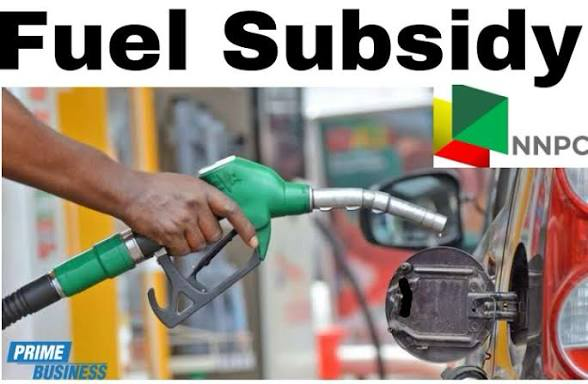
“When the rain falls heavily, it is the poor man’s roof that leaks first.” This old African proverb speaks directly to the reality many Nigerians face today. Economic policies may be designed in government offices and defended by experts on television, but their true impact is felt in homes, markets, classrooms, hospitals, and on the streets where ordinary people struggle daily to make ends meet.
Few government policies in recent years have generated as much debate, concern, and controversy as the removal of fuel subsidy. Since President Bola Ahmed Tinubu announced on May 29, 2023, that “fuel subsidy is gone,” Nigerians have experienced one of the most dramatic shifts in the nation’s economic landscape. Fuel prices rose almost immediately, transportation costs soared, food prices skyrocketed, and the cost of living reached levels many households had never experienced before.
For some economists and policymakers, the removal of fuel subsidy was a bold and necessary decision. They argue that subsidy payments had become a huge financial burden on the government, consuming trillions of naira that could have been used to improve infrastructure, healthcare, education, and other critical sectors. They also point to years of corruption, fraudulent claims, and fuel smuggling that turned the subsidy regime into a system that benefited a few powerful individuals more than the average Nigerian.
On paper, these arguments appear convincing. A nation cannot continue spending beyond its means indefinitely. No economy can thrive when public funds are repeatedly drained by an inefficient system. The idea behind subsidy removal was to free up resources, attract investment, encourage competition, and ultimately create a stronger and more sustainable economy.
However, while the policy may make economic sense in theory, its practical consequences have raised an important question: Who is really bearing the burden of this reform?
READ ALSO: Fuel Subsidy Removal: A Necessary Reform, But Poorly Managed
The answer is becoming increasingly clear. The greatest burden is being carried not by politicians, oil marketers, or economic advisers, but by ordinary Nigerians whose daily lives have become significantly more difficult since the policy was introduced.
The first and most visible impact of subsidy removal was the sharp increase in fuel prices. Petrol, which once sold for less than ₦200 per litre, suddenly rose to over ₦500 and later climbed even higher. This increase did not affect fuel alone. Because transportation is the foundation upon which many economic activities depend, the rise in fuel prices triggered a chain reaction across virtually every sector of the economy.
Today, transport fares have become a major source of concern for millions of Nigerians. Workers who commute daily spend a significant portion of their salaries on transportation. Students traveling to and from school face higher costs. Traders transporting goods from farms and warehouses to urban markets pay more for logistics. Even short journeys that once seemed affordable have become expensive.
For many Nigerians, transportation costs have become a daily reminder of the economic hardship caused by subsidy removal.
The impact is particularly severe in the food sector. Farmers must pay more to transport produce from rural communities to urban markets. Food vendors and retailers pass these additional expenses on to consumers. The result is visible in every market across the country. The prices of rice, beans, yam, garri, vegetables, bread, and other staple foods have increased significantly.
Families that once managed to provide three meals a day now struggle to afford two. Parents are forced to reduce household expenses, often sacrificing nutritional quality in order to survive. The rising cost of food has become one of the most painful consequences of subsidy removal because it affects every Nigerian regardless of age, occupation, or social status.
READ ALSO: Fuel Price Hike Turns Basic Meals into Luxury for DELSU Students
Small businesses are also feeling the pressure. Across Nigeria, countless enterprises rely on petrol and diesel-powered generators because of the country’s unstable electricity supply. Barbers, welders, tailors, cybercafés, restaurants, and other small business owners now spend far more on energy than they did before.
For many entrepreneurs, profit margins have shrunk dramatically. Some have increased the prices of their goods and services to stay afloat, while others have reduced their workforce or shut down entirely. The consequences extend beyond business owners themselves. Employees lose jobs, families lose income, and communities lose economic opportunities.
In a country where small and medium-sized enterprises contribute significantly to employment and economic growth, the pressure on businesses represents a serious challenge to national development.
The education sector has not been spared either. Students in tertiary institutions face increasing financial difficulties due to higher transportation costs, rising accommodation fees, and more expensive food. Parents already struggling with inflation find it difficult to meet educational expenses.
Some students now combine their studies with multiple side jobs to support themselves. Others rely heavily on friends and relatives for assistance. In extreme cases, some students have been forced to suspend their education because their families can no longer afford the associated costs.
This situation raises concerns about the long-term impact of economic hardship on access to education and human capital development.
Healthcare has become another area affected by the ripple effects of subsidy removal. Hospitals and clinics face higher operational costs due to increased fuel and transportation expenses. The prices of medicines and medical supplies have also risen because of higher logistics costs and exchange rate challenges.
For low-income families, accessing quality healthcare has become increasingly difficult. Many postpone medical treatment, self-medicate, or avoid hospital visits altogether because of financial constraints. This creates a dangerous situation where economic hardship translates into poorer health outcomes for vulnerable citizens.
Despite these challenges, supporters of subsidy removal maintain that the policy should be judged by its long-term benefits rather than its immediate consequences. They argue that reforms of this magnitude are often painful at the beginning but necessary for sustainable growth. According to this view, the savings generated from subsidy removal can help fund infrastructure projects, reduce fiscal deficits, improve public services, and attract foreign investment.
Indeed, the government has introduced several measures intended to cushion the impact of the policy. These include conditional cash transfers, student loan programmes, wage awards, compressed natural gas initiatives, and infrastructure investments. Government officials have repeatedly assured Nigerians that the savings from subsidy removal are being redirected toward projects that will benefit the country in the future.
However, many citizens remain unconvinced.
The challenge is not simply whether government interventions exist. The challenge is whether those interventions are reaching enough people and whether they are sufficient to offset the hardship being experienced across the country. For many Nigerians, the promised benefits remain distant and difficult to see.
A worker struggling to pay transport fares, a mother unable to afford food for her children, or a student battling rising living expenses may find little comfort in promises of future economic gains. Economic reforms succeed when citizens can see tangible improvements in their quality of life. When hardship continues without visible relief, public confidence inevitably weakens.
Another important issue is transparency. Nigerians deserve clear and regular information about how subsidy savings are being utilized. Citizens should be able to see measurable improvements in roads, hospitals, schools, power supply, and public transportation systems. Transparency not only builds trust but also strengthens public support for difficult reforms.
If citizens are expected to make sacrifices, they must be confident that those sacrifices are producing meaningful results.
It is also important to recognize that fuel subsidy removal alone cannot solve Nigeria’s economic challenges. Other structural problems continue to affect the country’s development. Poor electricity supply, insecurity, inadequate infrastructure, unemployment, and currency instability all contribute to economic hardship.
Without addressing these broader issues, subsidy removal may simply transfer financial pressure from government accounts to the pockets of ordinary citizens.
This is why complementary reforms are essential. Investments in public transportation can reduce commuting costs. Stable electricity can lower business expenses. Increased local refining capacity can reduce dependence on imported petroleum products. Agricultural support programmes can improve food production and stabilize prices. Job creation initiatives can increase household incomes and strengthen economic resilience.
Such measures are necessary if the benefits of subsidy removal are to be widely shared.
As Nigerians continue to adjust to life after subsidy removal, one reality remains undeniable: the ordinary citizen is carrying the heaviest burden. The civil servant whose salary has remained unchanged, the trader struggling to restock goods, the farmer transporting produce, the student pursuing an education, and the small business owner fighting to survive all bear the weight of this economic reform every day.
READ ALSO: Grassroots Developments, Warri North LGA And The Hon. Ashima’s Magic Wand
This does not necessarily mean the policy was wrong. Economic reforms are often necessary and sometimes unavoidable. However, necessity does not eliminate responsibility. Government must ensure that the burden of reform is not borne disproportionately by those least able to afford it.
A successful economic policy should not only balance national accounts but also improve the welfare of citizens. Growth should be reflected not only in statistics and economic reports but also in the everyday experiences of ordinary people.
The debate over fuel subsidy removal is therefore no longer about whether the policy should have happened. It has already happened. The more pressing issue is whether the promised benefits will eventually justify the sacrifices being made today.
Until inflation falls significantly, transportation becomes more affordable, jobs become more available, electricity becomes more reliable, and living standards improve, many Nigerians will continue to ask a simple but powerful question:
If fuel subsidy removal was meant to rescue the economy, why does it feel as though ordinary Nigerians are the ones paying the highest price?
The answer to that question may ultimately determine how history judges one of the most significant economic reforms in modern Nigeria.
The author, Pius Ashima, is a-200 Level student of Journalism and Media Studies at Delta State University, Abraka. Email: ashimapius@gmail.com

By Benedicta Okorotete
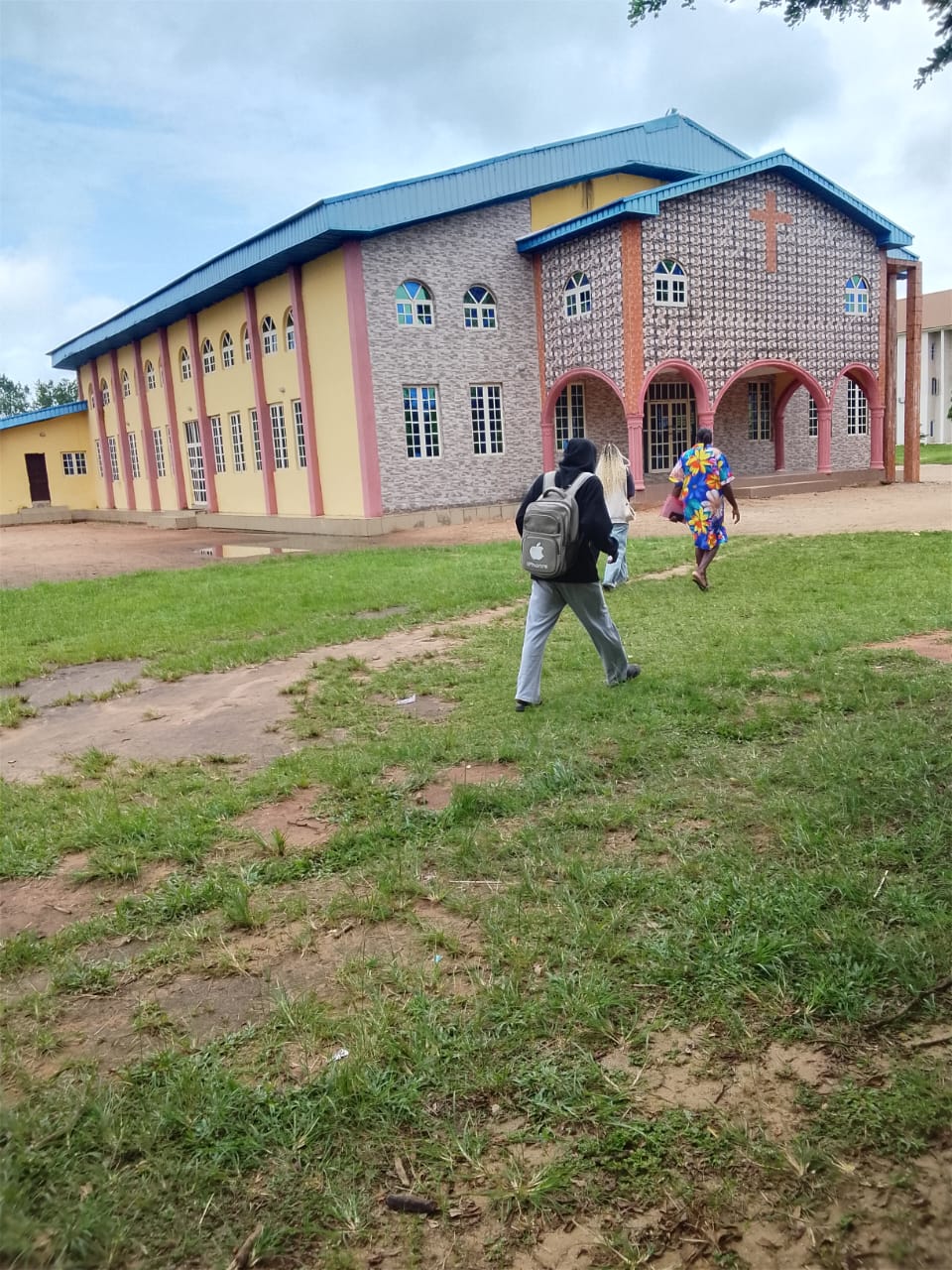
A confirmation service was held for students by All Saint’s Anglican Church marking an important milestone in the spiritual journey of many young christian seeking to strengthen their commitment to the christian faith.
This ceremony provide students with the opportunity to publicly profess their faith, deepen their relationship in God, and become more actively involved in church activities.
The service which consisted of up to 11 confirmers (students), parents, friends and church members.
The service was characterized with prayers, hymns, bible reading and messages encouraging the candidates to remain faithful to Christian teaching while pursuing their academic goals.
Delivering his sermon during the service, the presiding minister reminded the candidates that confirmation is more than a religious ceremony.
He described it as a lifelong commitment to serve God faithfully, uphold christian values and become responsible members of the society.
He urged the students to demonstrate humility, honesty, discipline and love in their daily lives.
The ceremony concluded with thanksgiving prayers, the presentation of certificates to the candidates, and a reception where family, friends and church members celebrated with the newly confirmed students.
Many of the students expressed joy after the ceremony, describing the event as a memorable moment of their lives.
Some said that the ceremony has strengthen their confidence in God and are inspired to live according to Christian principles despite the pressure associated with university lives.
Views Point
DELSU Agricultural Student Uncovers Key Survival Factors And Lifespan Limits In Cucumber Cultivation

By Ohwona Oghenemine
Inadequate soil moisture, uneven soil fertility, and natural biological limitations have been identified as major factors responsible for the rapid decline of cucumber crops at the Delta State University (DELSU) Site Three Farm.
The findings, based on practical farm trials conducted by an Agricultural Science student of the university, highlighted key management practices required to maximise cucumber production before the crop reaches the end of its natural growth cycle.
The student explained that proper irrigation schedules, early pest control, and effective soil management are essential factors in improving crop performance and extending productivity.
Soil Fertility And Yield Disparities
One of the major challenges observed during the farming project was the uneven distribution of soil fertility across the farm plot.
Although the application of supplemental fertiliser improved overall crop performance, sections of the farm with lower nutrient levels continued to record weaker growth compared to healthier areas.
The student emphasised the importance of conducting proper soil testing before planting and ensuring uniform soil enrichment to achieve better yields.
Timely Pest Management
The study also identified early pest control as a critical factor in protecting young cucumber vines from damage.
The student recommended the first application of pesticide (Larafox) two weeks after planting, noting that delayed treatment could increase vulnerability to pest attacks and negatively affect plant development.
“Pesticide application at the two-week growth mark is critical,” the researcher noted, warning that late intervention could reduce crop productivity.
High Water Dependency
Addressing irrigation challenges, the study revealed that water remains the most important resource for cucumber growth, despite the crop’s need for adequate sunlight.
The student explained that cucumber plants cannot survive in dry or poorly irrigated environments and require consistently moist soil to support healthy growth and fruit production.
Understanding The Three-Month Lifecycle
The student also clarified concerns surrounding the sudden death of cucumber plants after harvesting, explaining that the decline is largely a natural biological process rather than a disease outbreak.
According to the findings, cucumber plants have an average lifespan of about three months and naturally begin to wither after producing fruits multiple times.
The student explained that after two or more harvest cycles, the vines gradually lose productivity and eventually die as part of their natural growth pattern.
The findings highlight the importance of understanding crop lifecycle, proper farm management practices, and timely interventions to improve cucumber cultivation outcomes.
-

 Education2 months ago
Breaking: DELSU Postpones Second Semester Examinations. See New Date
-
 Education3 months ago
DELSU Announces Admission Into New Diploma Programmes For 2026/2027 Academic Session
-
 Views Point3 months ago
OPINION: Agriculture, Nigeria’s Fading Goldmine
-

 Abraka Metro3 months ago
Experts Urge Students To Embrace AI With Open Hearts
-

 Education2 months ago
Breaking: DELSU Bans “Sign Out” Parties, Threatens 2-Semester Rustication For Violators
-

 Education3 months ago
28-Years-Old Man Swindles JUPEB Students, Diverts N15 Million School Fees
-
 Education2 months ago
DELSU Begins Postgraduate Admission for 2026/2027 Academic Session
-

 Entertainment3 months ago
World Cup 2026: US-Iran Tensions, Local Travel Hurdles, Global Friction Shape Fan Atmosphere
-
 Abraka Metro3 months ago
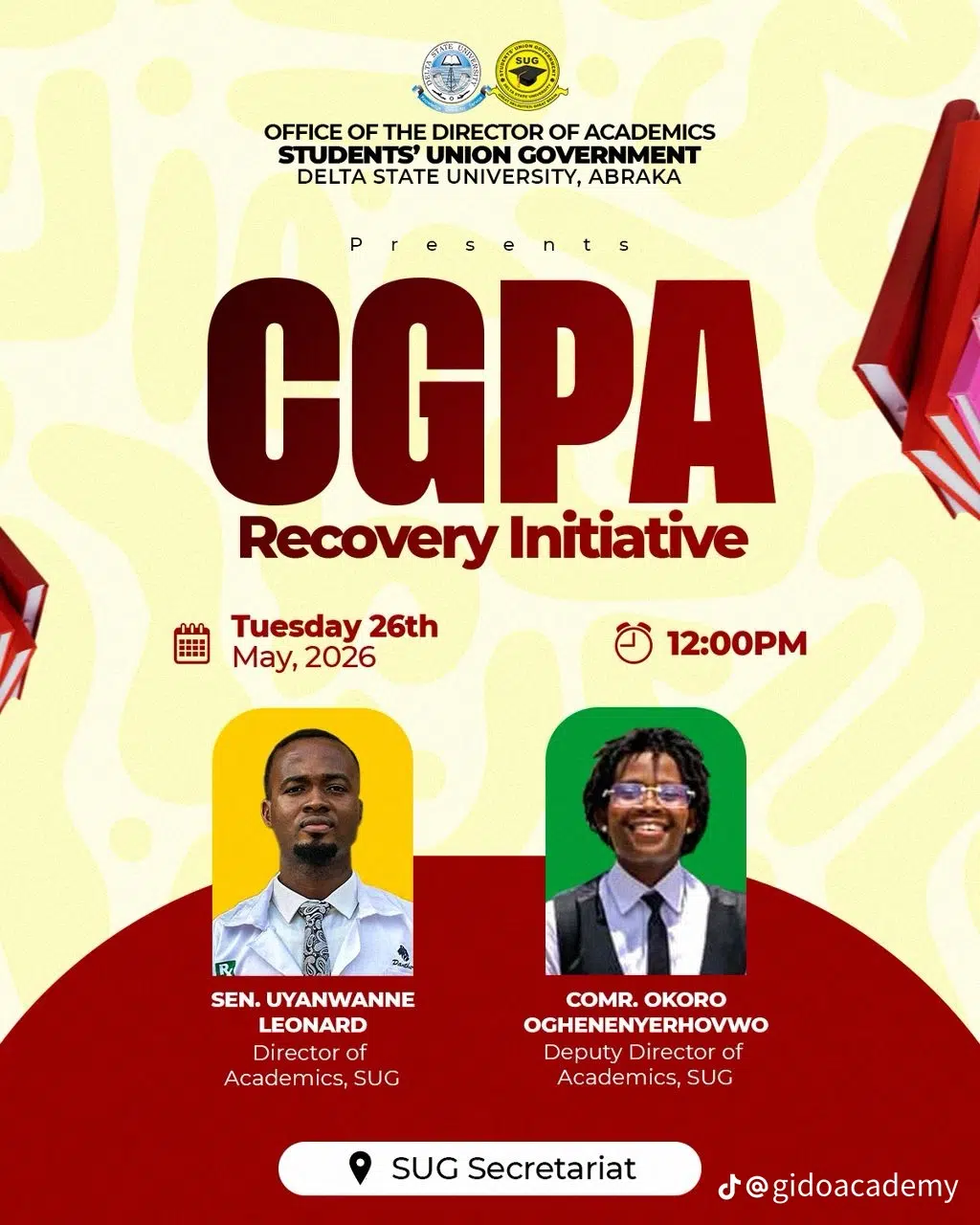
DELSU SUG Tackles Academic Decline with ‘CGPA Recovery Initiative’ for Junior Students
-

 Abraka Metro3 months ago
Rising Cost Of Living Forces Abraka Students To Adopt Survival Strategies
-

 Education2 months ago
DELSU Exam Monitors Apprehend Student With Allegedly Stolen Phones, Wig
-
 Abraka Metro3 months ago
Rising House Rents Put Pressure on DELSU Students in Abraka
-

 Abraka Metro2 months ago
Elozino Ogege: Lecturers React As Court Sentences Killers Of DELSU First-Class Student To Death
-
 Education3 months ago
Challenges Persist at DELSU Agricultural Farm Despite Student Training
-

 Trending News3 months ago
Abraka Residents Advocate Entrepreneurship, Warn Against Gambling Amid Economic Hardship


